
Master AI in Healthcare:
Build a strong foundation in AI, machine learning, and deep learning tailored to healthcare - even without coding experience. Explore real-world applications in diagnosis, monitoring, and treatment planning.

1st Round of Application Ends on 15th October 2026.
Course Duration :
6 months (86 Hours)
Course Fees :
₹ 1,50,000 + GST
Schedule :
Saturday: 6 PM - 7: 30 pm
Sunday: 11 AM - 12:30 PM
Course Eligibility :
Any graduate professional working in industry and academia with area relevant to AI in healthcare
Campus Immersion :
A two-day in-person campus session at IIT Delhi toward the end of the programme, featuring a 12-hour hands-on workshop (6 hours each day).
Understand how AI agents can support complex healthcare workflows through autonomous reasoning, task execution and decision support, enabling smarter and more efficient healthcare processes.
Explore the role of Large Language Models (LLMs), AI assistants and generative systems in healthcare applications, including clinical documentation, medical knowledge management, healthcare communication and workflow enhancement.
Learn how AI models move from development and research stages to real-world healthcare applications through validation, deployment and responsible implementation.
Understand the importance of ethical and responsible AI adoption in healthcare, including frameworks around patient safety, data privacy, compliance and the responsible use of AI technologies.
Build a strong foundation in AI, machine learning, and deep learning tailored to healthcare - even without coding experience. Explore real-world applications in diagnosis, monitoring, and treatment planning.
Work with diverse datasets like Electronic Medical Records (EMR), Electronic Health Records (EHR), medical imaging (PACS), genomics, and IoT-based sensor data. Learn to manage sensitive data using MIMIC-III.
Create supervised/unsupervised models, apply CNNs for imaging, and use NLP on clinical notes. Evaluate models with healthcare-specific metrics like ROC curves, precision, and recall.

Learn end-to-end deployment using cloud platforms and HIS integration. Work with standards like FHIR, HL7, and DICOM to ensure interoperability.
Apply your skills in a mentored capstone project with IIT Delhi faculty. Tackle real healthcare challenges and build clinically relevant AI solutions.
 e-Certificate of successful completion from CEP, IIT Delhi: Earn a prestigious
e-Certificate from IIT Delhi upon completing the programme.
e-Certificate of successful completion from CEP, IIT Delhi: Earn a prestigious
e-Certificate from IIT Delhi upon completing the programme.


Core Principles of AI and Machine Learning
Develop a solid understanding of AI, machine learning, and deep learning concepts and how they
specifically apply to healthcare challenges.
Handling and Processing Healthcare Data
Learn techniques for working with diverse clinical data sources such as electronic medical records,
medical imaging, genomics, and sensor data, while adhering to healthcare data standards like FHIR,
HL7, and DICOM.
Designing Predictive Models for Healthcare
Acquire skills to create and assess machine learning models that support disease diagnosis, patient
risk assessment, and outcome prediction.
Utilizing Deep Learning and Language Processing
Gain experience in applying neural networks to interpret medical images and extract meaningful
information from clinical text using natural language processing.
Implementing AI Solutions in Clinical Environments
Understand the process of deploying AI applications through interactive dashboards and cloud
infrastructure, and integrating these into existing hospital information systems.
Analyzing Population Health Trends:
Explore AI-driven methods for forecasting epidemics, analyzing health data over time, and mapping
disease spread to inform public health strategies using advanced artificial intelligence in health
care techniques.
Gain exposure to Generative AI and Agentic AI applications, and understand their role in transforming clinical workflows, healthcare operations and patient care.
Go beyond AI fundamentals to understand how AI models are developed, evaluated and applied to solve real-world healthcare challenges.
Understand the complete AI journey in healthcare — from identifying clinical challenges and analysing healthcare data to developing AI models, validating outcomes, deploying solutions and ensuring responsible adoption.
Learn at the intersection of healthcare and artificial intelligence, combining clinical insights, biomedical engineering and AI methodologies.
Build practical expertise through healthcare datasets, AI modelling exercises and faculty-guided capstone projects focused on real-world healthcare applications.
Foundations of AI (ML & DL) for Healthcare
|
Healthcare Data & Clinical Big Data Analysis
|
AI Models & Predictive Analytics
|
AI Applications & Healthcare Automation
|
AI Deployment & Integration
|
Public Health & Population Analytics
|
Capstone Project (Group Project)
|
Expert Roundtable
|
Assessments
|
Prerequisites for the Programme:
1. Basics of Mathematics : including Linear Algebra, Calculus, Probability, and Statistics
(school-level understanding is sufficient).
2. Basic Programming Knowledge :preferably in MATLAB or Python.
Evaluation & Practical Learning Components
Internal Assessments: Periodic quizzes, short clinical AI tasks, mini viva sessions, and
capstone project reviews designed to reinforce your understanding throughout the programme.
10+ Case Studies and
Projects:
Gain practical experience through carefully
Gain practical experience through carefully designed case studies and a hands-on project focused on
real healthcare challenges. Work with clinical data like EMR data, physiological data, medical images,
and genomics while applying AI/ML techniques using tools like Python and MATLAB. These exercises are
crafted to help you translate theoretical knowledge into impactful healthcare solutions.
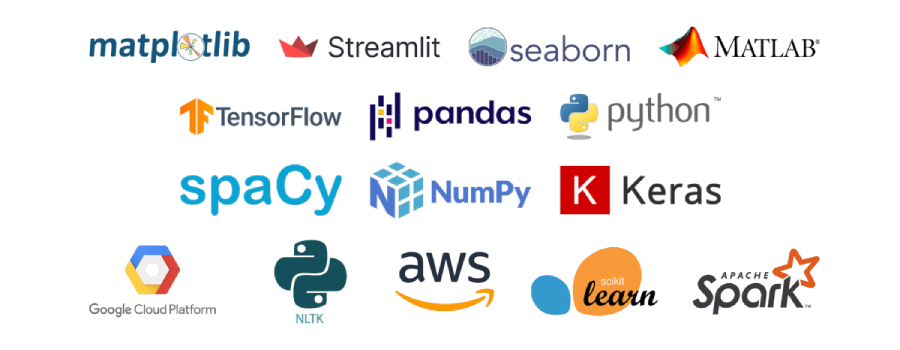
| Tool to Be Used | Purpose | Rationale |
|---|---|---|
| Python (Pandas, NumPy)/ MATLAB | Data Analysis & Cleaning | Industry-standard for manipulating clinical data, easy to scale and script |
| Python (Matplotlib, Seaborn), MATLAB GUI, Streamlit (Python) | Visualization & Dashboards | Interactive dashboards & GUI building with Python/ MATLAB as front-end tools |
| Python (scikit-learn), MATLAB | Machine Learning Models | Covers supervised and unsupervised learning via both code and visual modeling |
| Python (TensorFlow/Keras), MATLAB (CNN toolbox) | Deep Learning / Imaging | Real-world applications in radiology, pathology, etc. |
| Python, MATLAB | Data Preprocessing | Used for handling missing values, transformations, feature engineering |
| Python (spaCy, NLTK), Hugging Face | NLP & EHR Mining | For Named Entity Recognition, text mining of clinical notes |
| Streamlit (Python), MATLAB App Designer | Deployment (Simplified) | Build healthcare apps/interfaces for simulation or controlled use |
| GCP, AWS (Introductory Only) | Cloud Awareness (Conceptual) | Tool exposure without actual development — Python/MATLAB to be used offline |
| Python (FHIR client libs), MATLAB for DICOM | Standards Handling | Maintain compliance with health data exchange protocols |
| Apache Spark (PySpark) | Distributed Data Processing & Scalable Analytics | Enables fast, large-scale processing of healthcare data—ideal for handling high-volume datasets like EHR logs or sensor streams, with seamless integration into the Python ecosystem. |
| Biomedical Image Analysis & Visualisation | FIJI, 3D Slicer | Enables medical image processing, visualisation, segmentation, and 3D reconstruction for healthcare and clinical imaging applications. |
The programme brings together professionals across clinical, technological and research domains, enabling meaningful knowledge exchange and collaboration among healthcare and AI practitioners from across India.




















Note: Organisation names reflect learners’ current affiliations and do not imply any association with IIT Delhi. IIT Delhi does not provide or guarantee placements.
| Particulars | Amount (₹) |
| Programme Fees | ₹ 1,50,000 |
| GST @ 18% | ₹ 27,000 |
| Total Fees | ₹ 1,77,000 |
All fees should be submitted in the IITD CEP account only, and the details will be shared post-selection.
The receipt will be issued by the IIT Delhi CEP Account for your records, which can be downloaded from the CEP Portal.
Easy EMI options available.
Loan and EMI Options are services offered by Teamlease Edtech. IIT Delhi is not responsible for the same.
GST @ 18% will be charged extra in addition to the fee.
| Installment | Installment Date | Amount (₹) |
| I | Due within 3 Days of offer letter. | ₹ 75,000+GST |
| II | 12th December, 2026. | ₹ 75,000+GST |
| Total fees – ₹ 1,50,000+GST [No cost EMI available] | ||
GST @ 18% will be charged extra in addition to the fee.
Candidates can withdraw within 15 days from the programme start date. A total of 80% of the total fee received will be refunded. However, the applicable tax amount paid will not be refunded on the paid amount.
Candidates withdrawing after 15 days from the start of the programme session will not be eligible for any refund.
Easy EMI options available. Loan and EMI Options are services offered by Teamlease Edtech. IIT Delhi is not responsible for the same.
If you wish to withdraw from the programme, you must email cepaccounts@admin.iitd.ac.in and cepdelhi@digivarsity.com, stating your intent to withdraw. The refund, if applicable, will be processed within 30 working days from the date of receiving the withdrawal request.
Awarded with a minimum of 50% attendance and 40% or above overall marks

Awarded with a minimum of 50% attendance and less than 40% overall marks

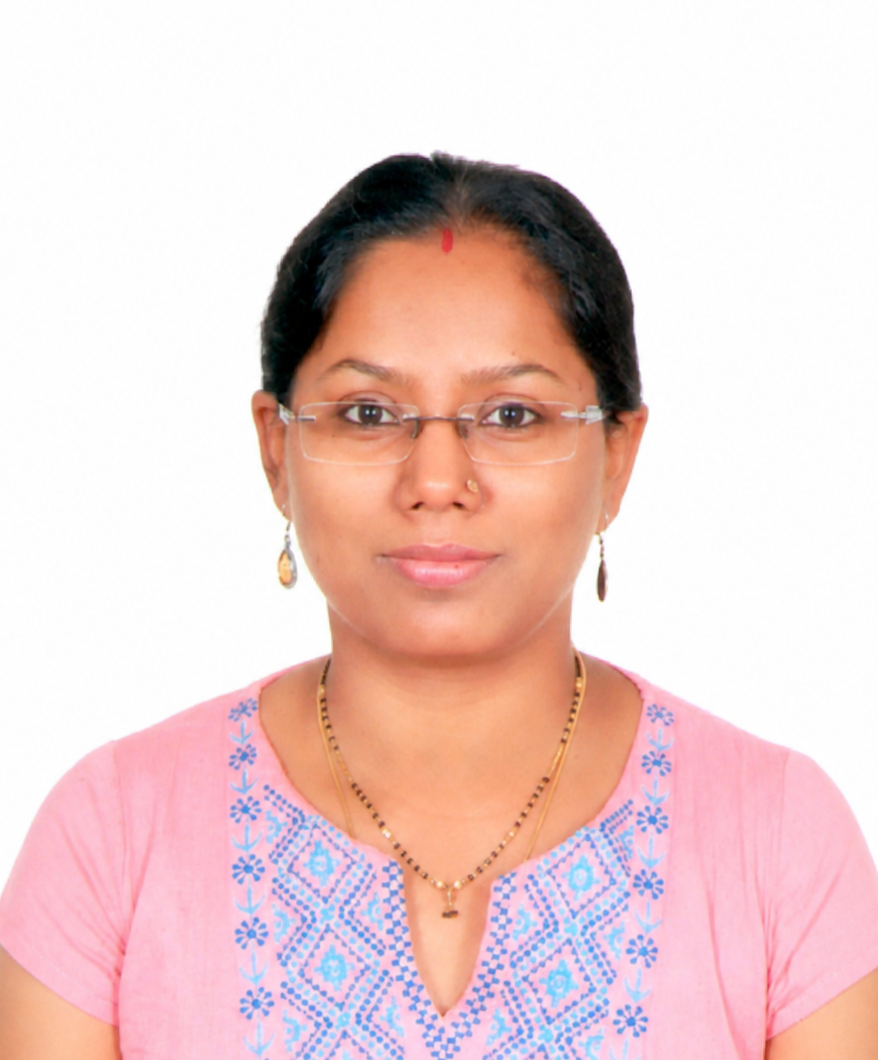
Associate Professor
Indian School of Business & Finance, New Delhi

Assistant Professor Artificial Intelligence
Institute of Liver & Biliary Sciences, New Delhi
Assistant Professor
Department of Computer Science & Engineering, IIT-Kanpur
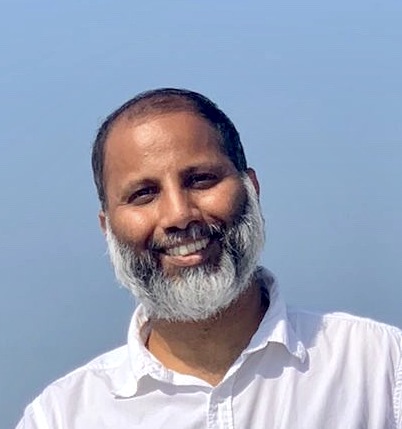
Professor
Division of Biomedical Informatics, University of Kentucky
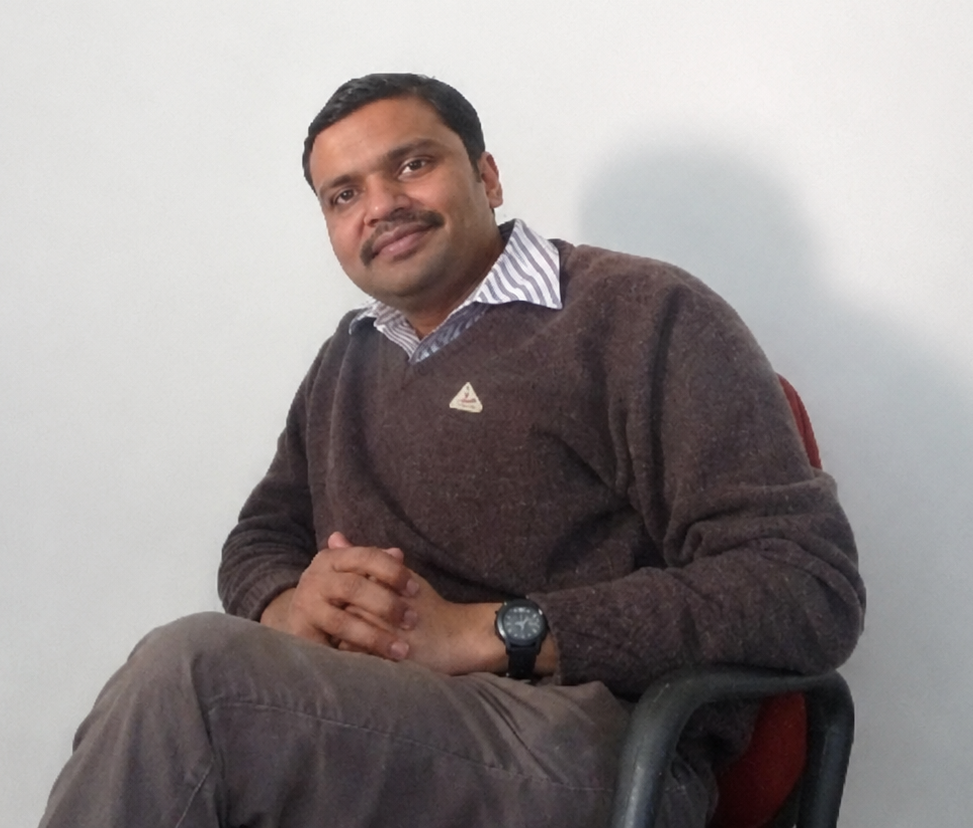
Associate Professor
Yardi School of Artificial Intelligence, IIT Delhi
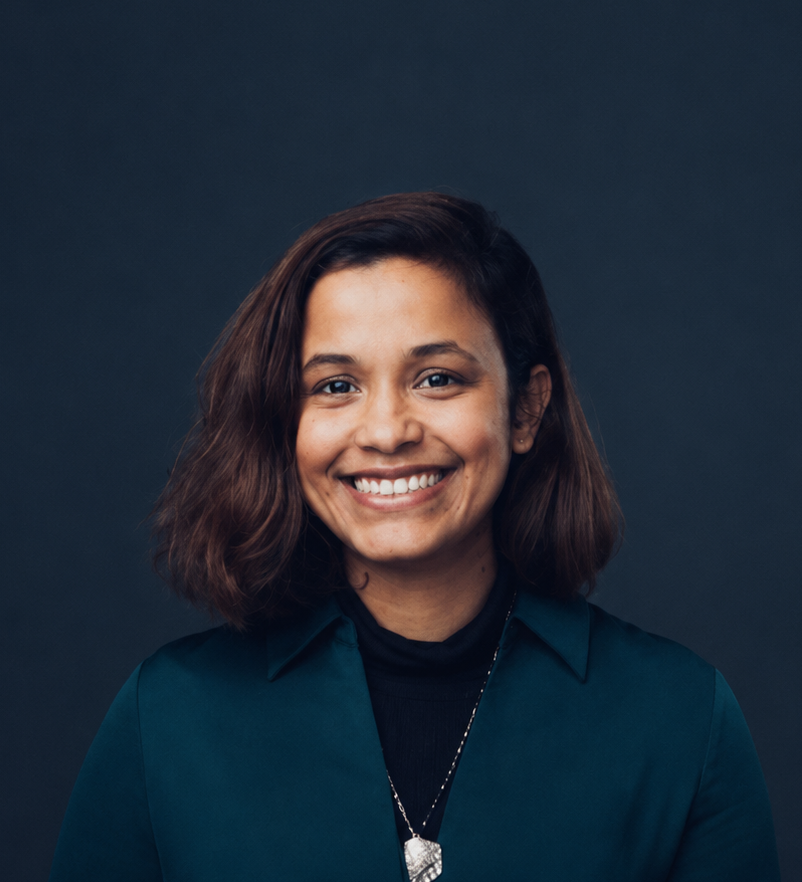
Assistant Professor
Department of Medical Sciences & Technology, IIT Madras
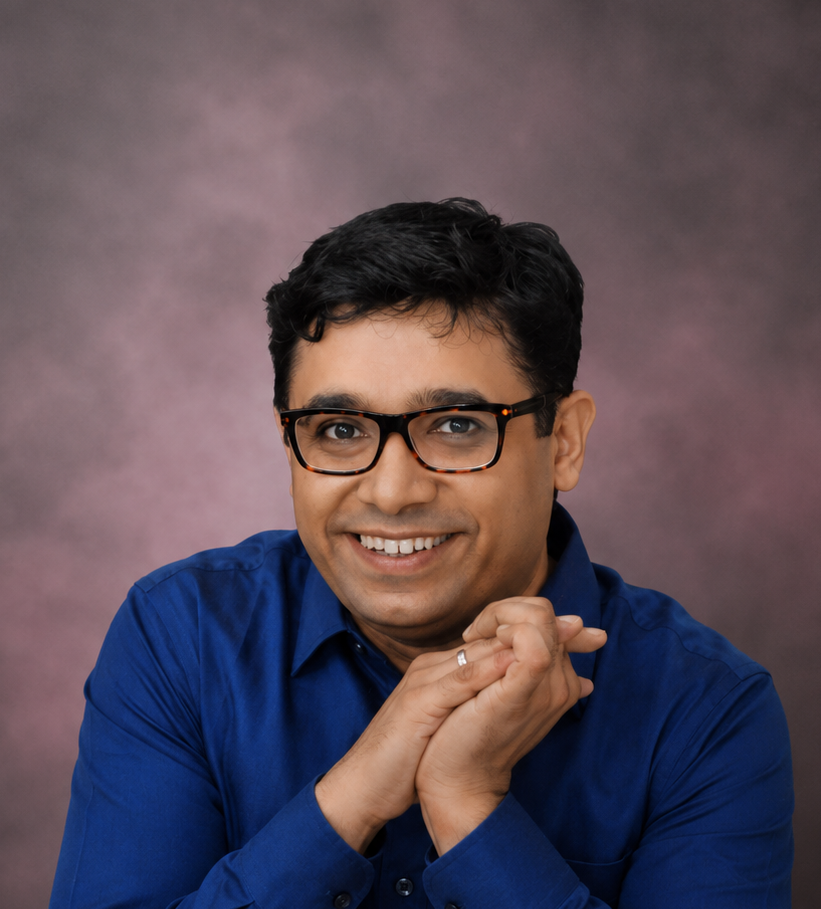
Professor
Department of Anesthesiology, Pain Medicine, and Critical Care
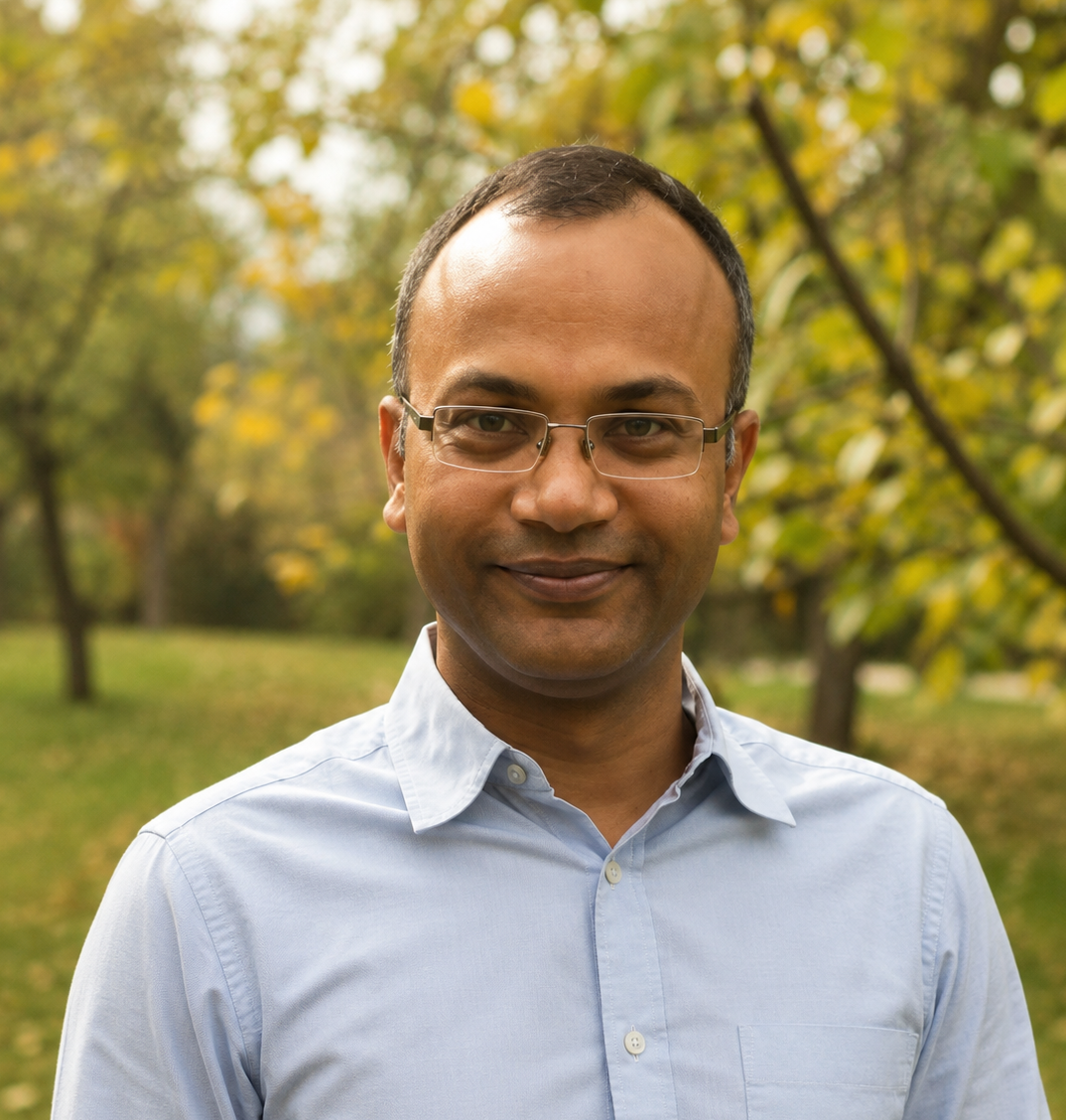
Associate Professor
IIT Madras
Associate Professor
Univ. of Shibaura, Japan
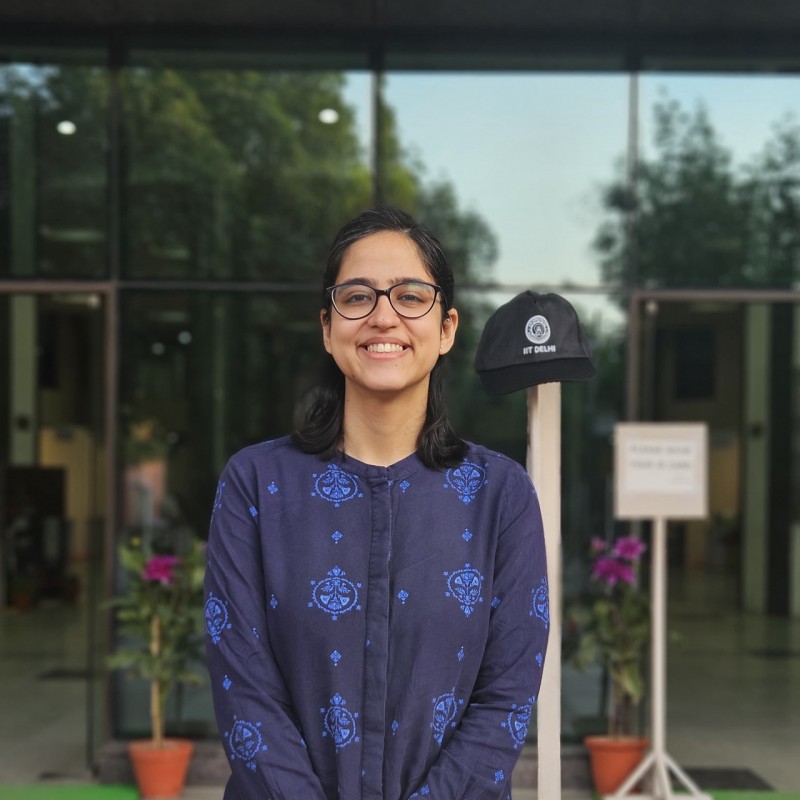
Clinical Scientist
Anumana.ai, Bangalore
Principal Applied Scientist
Oracle, IIT Delhi
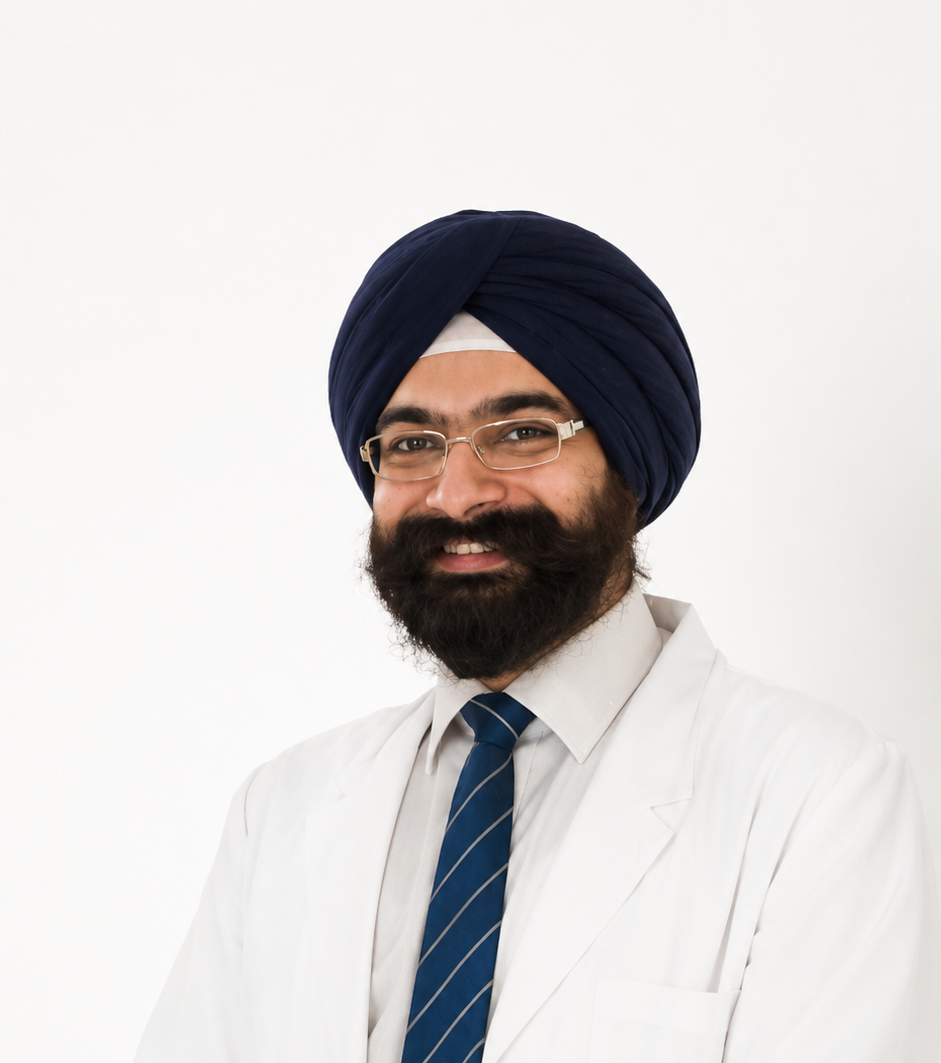
Consultant Opthamologist
Noble Eye Care; Madhukar Rainbow Children's Hospital, and Narayana Superspeciality Hospital, Gurugram
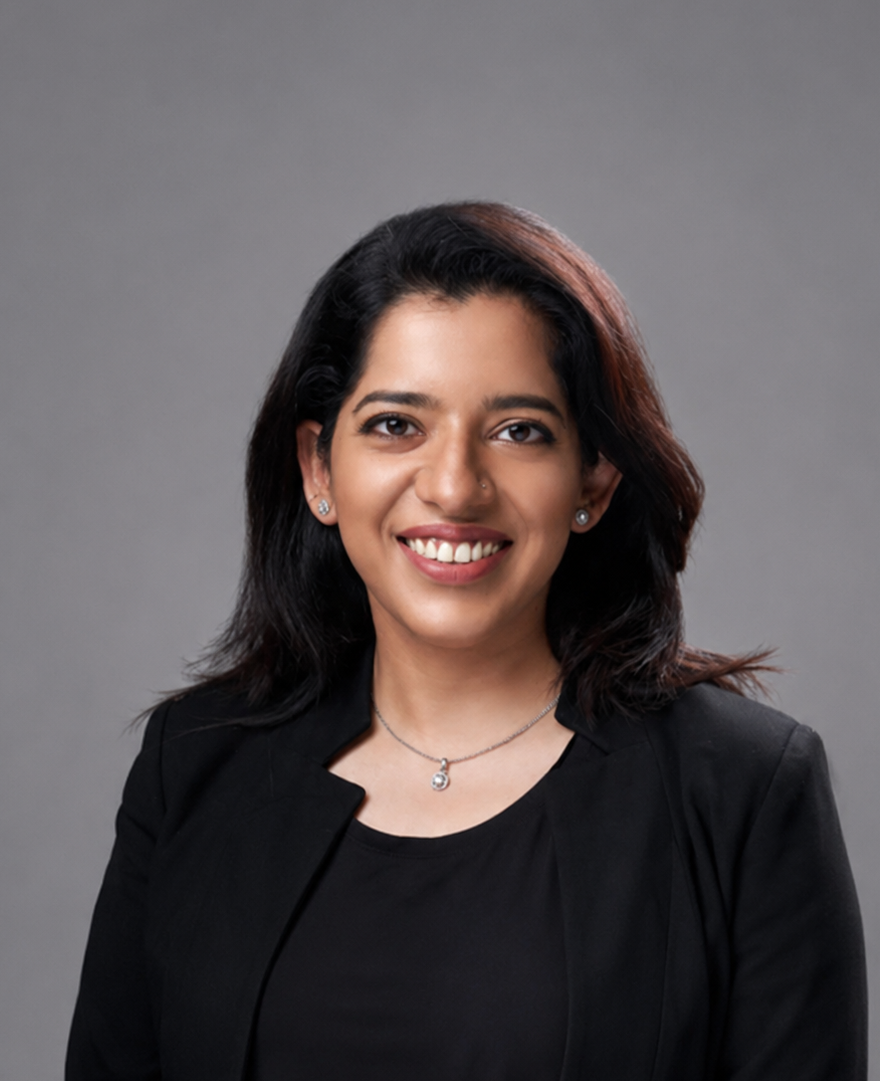
India Lead
Google Health
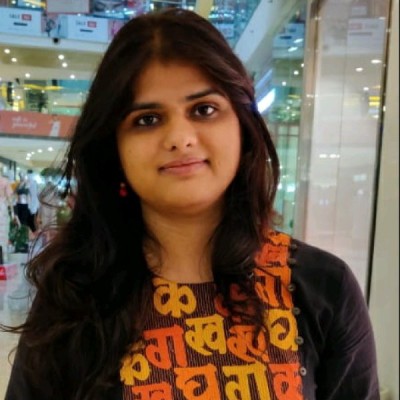
Manager-IP & Technology Transfer, FITT
IIT Delhi
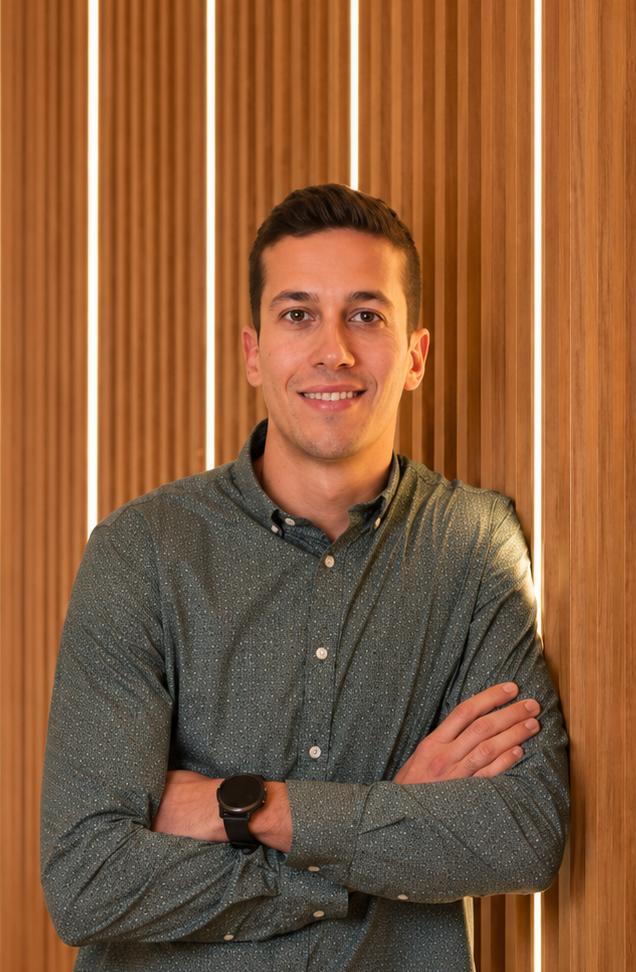
Head of R&D
XCure Surgical, Spain
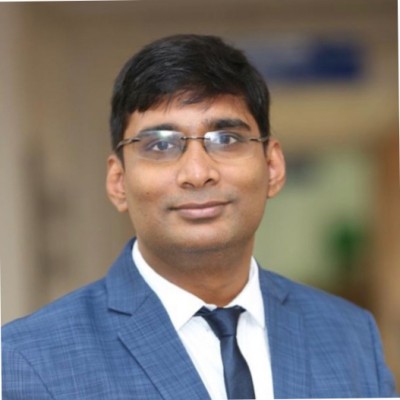
Co-Founder
Digital Health & AI Transformation
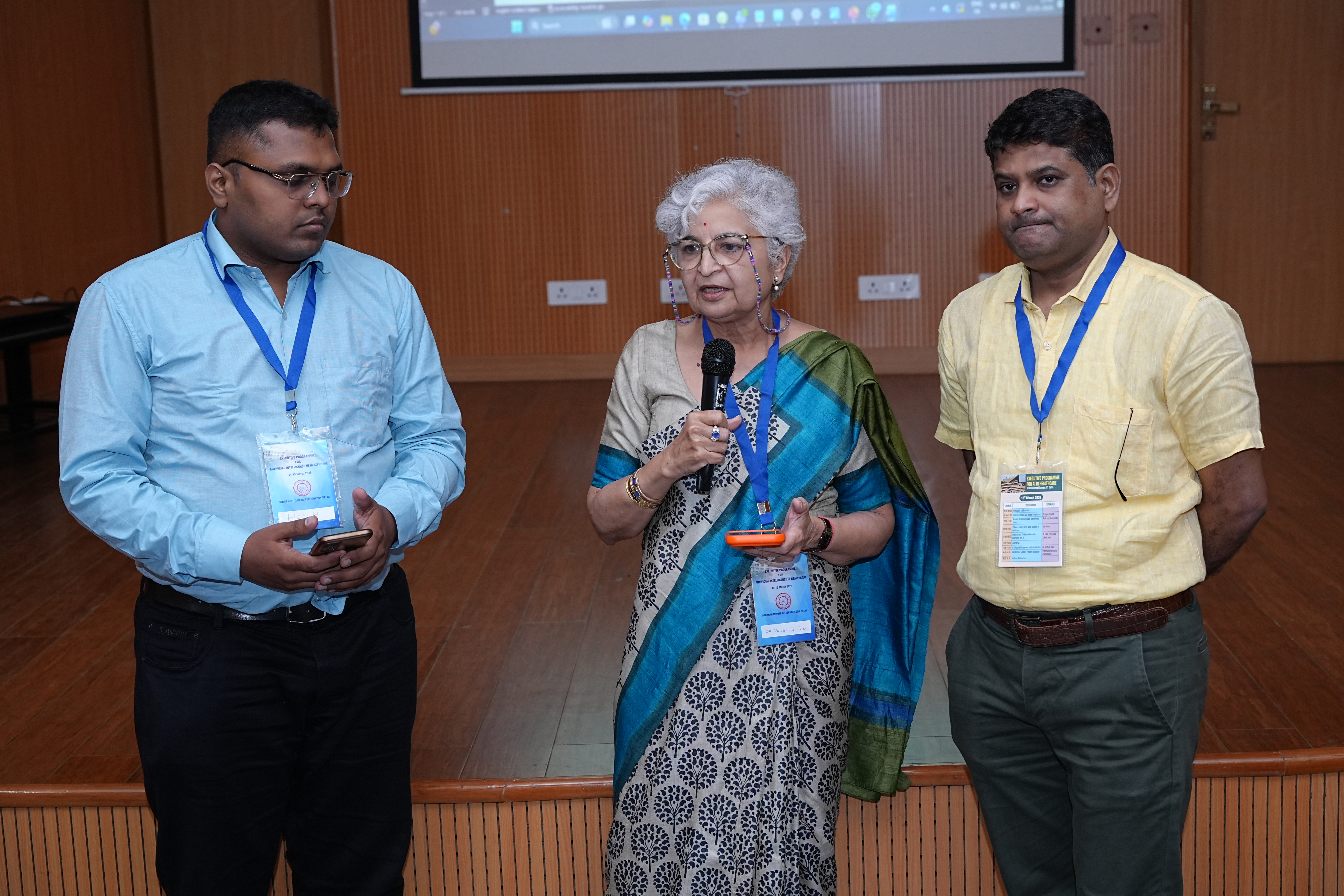
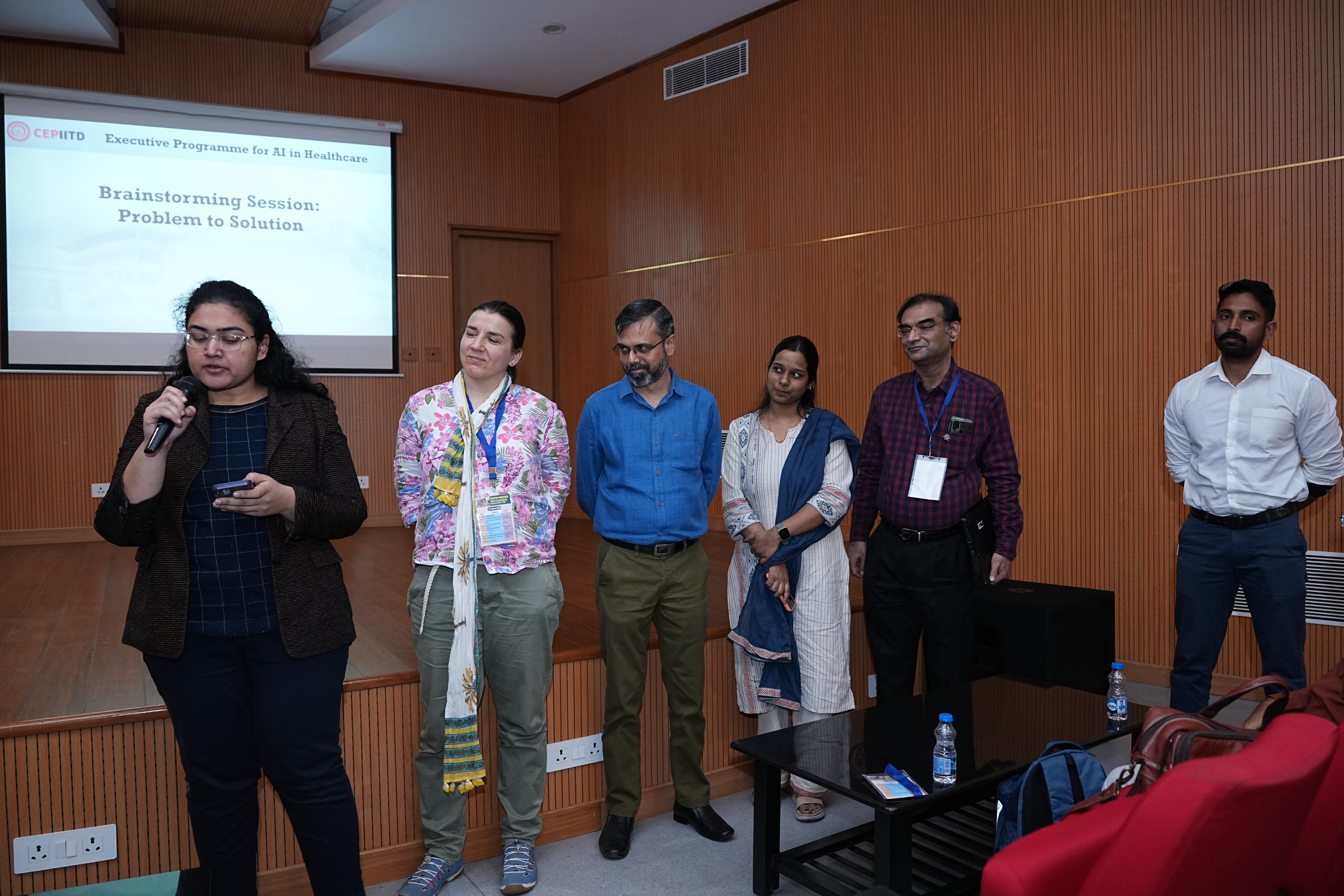
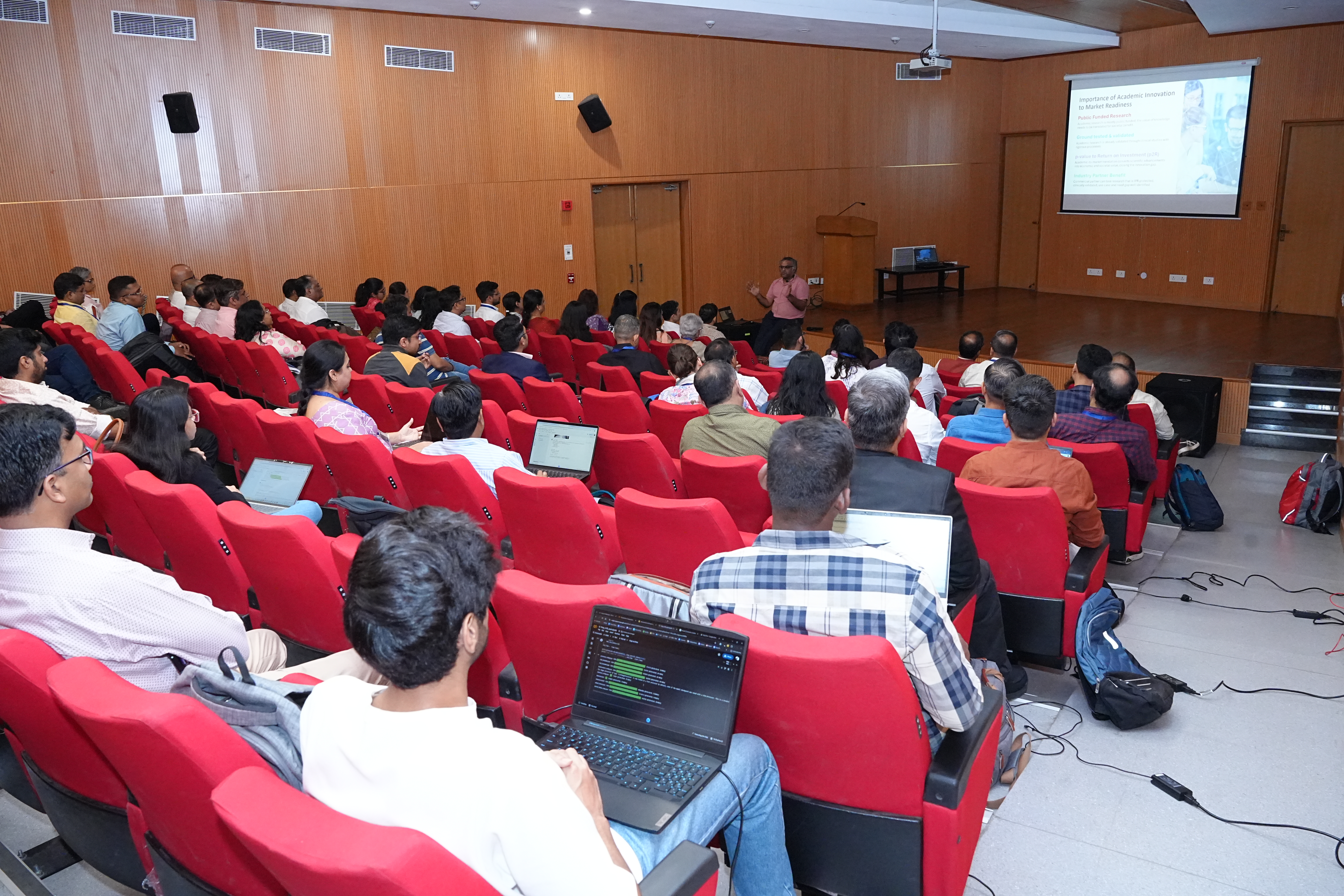
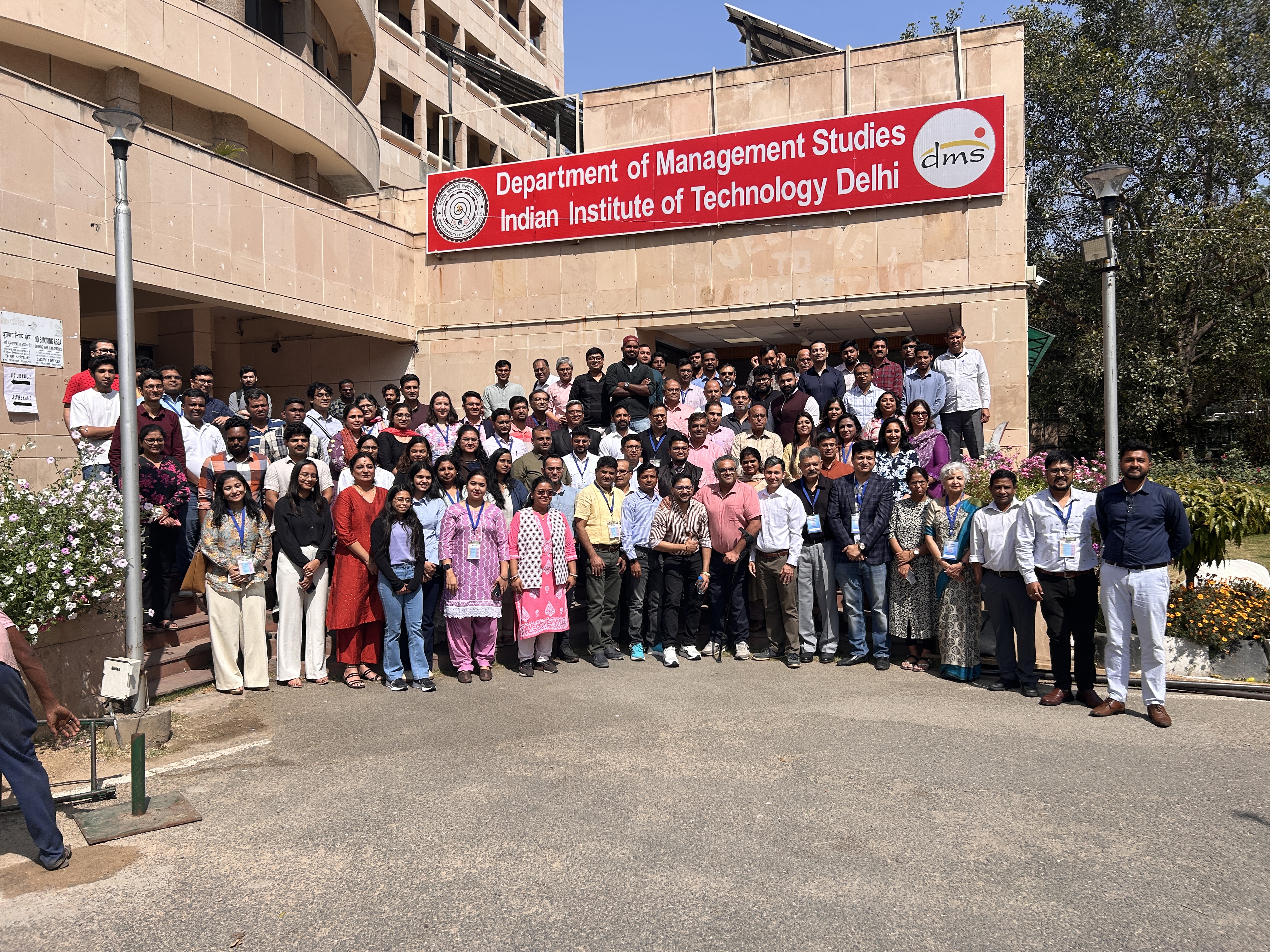
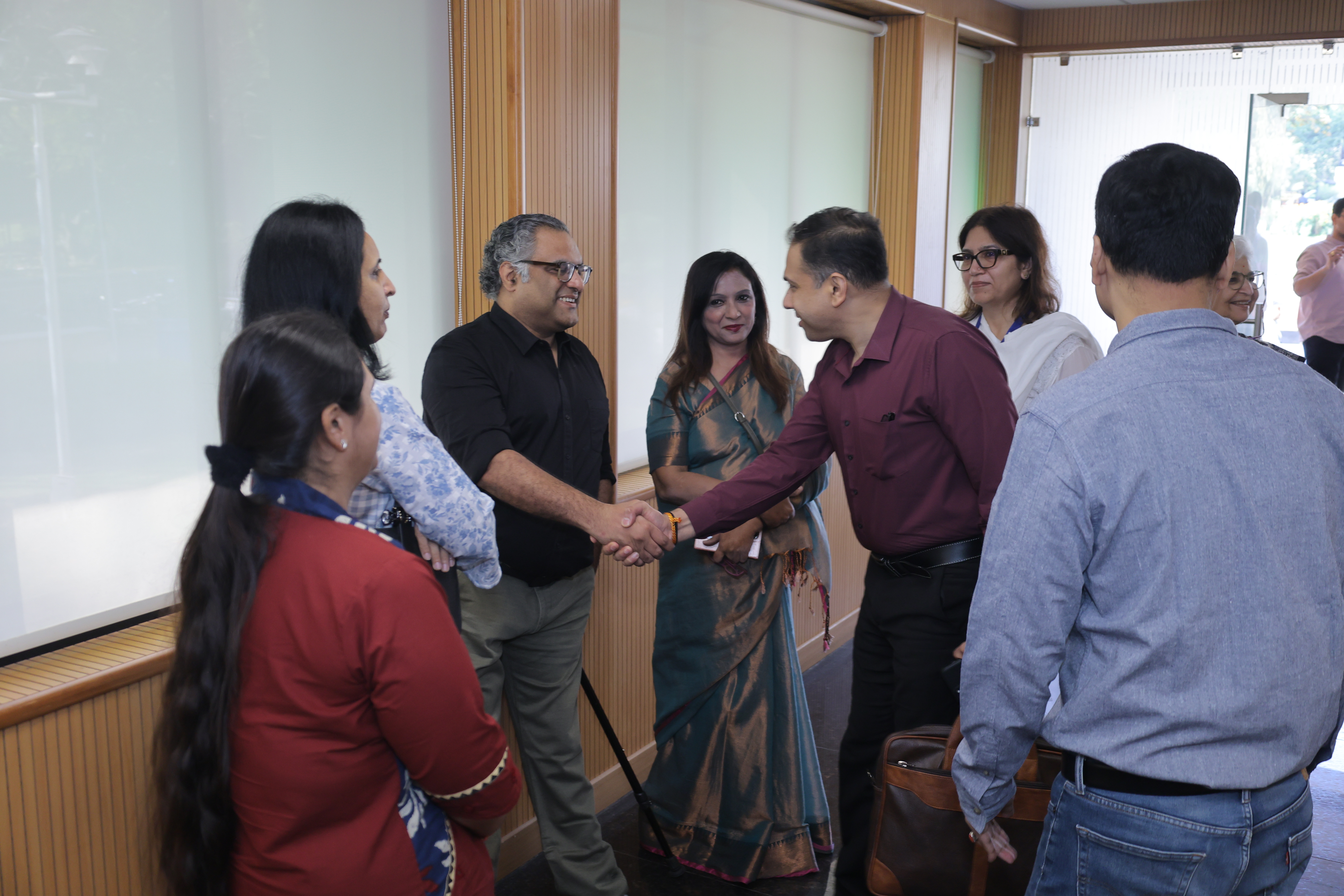
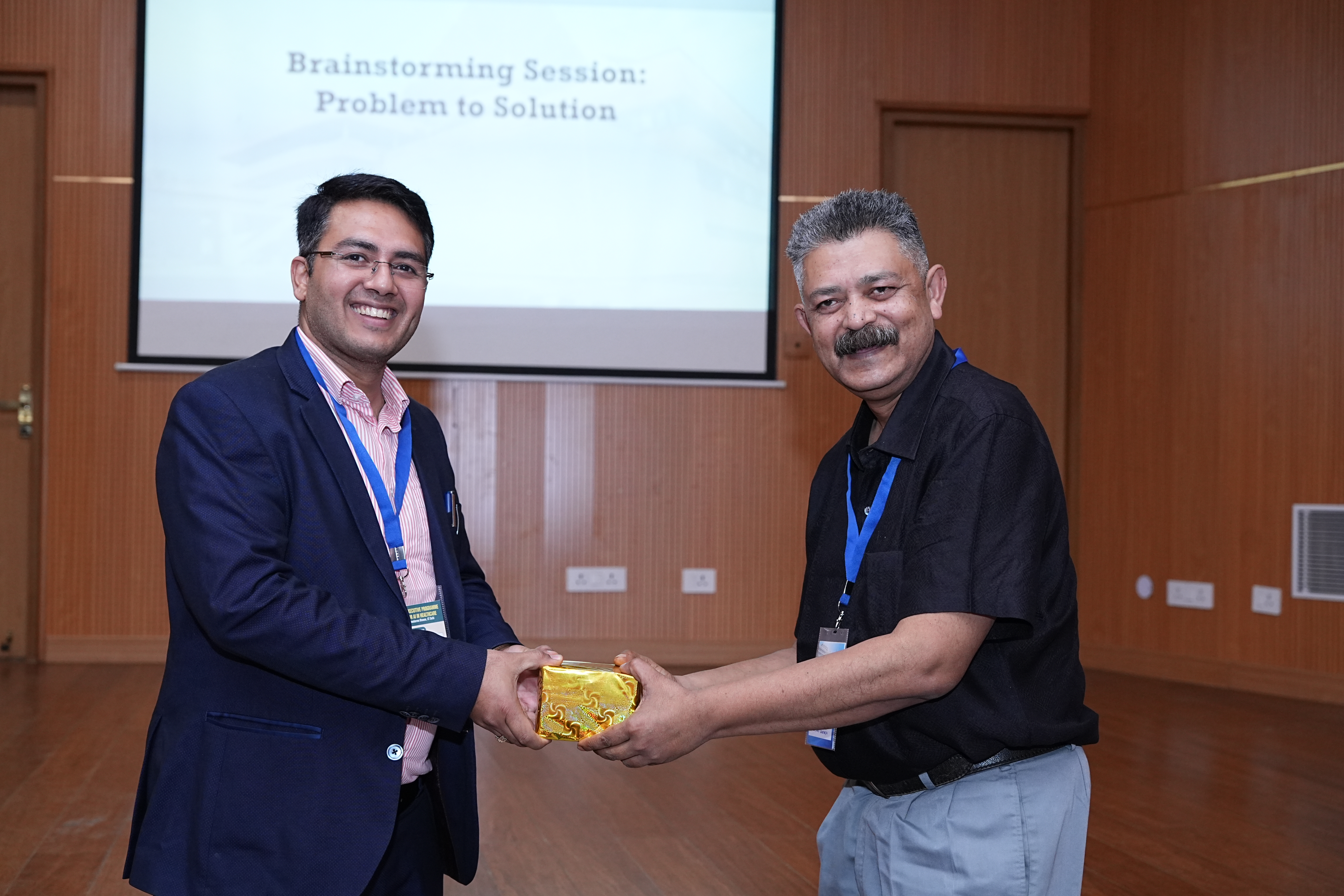
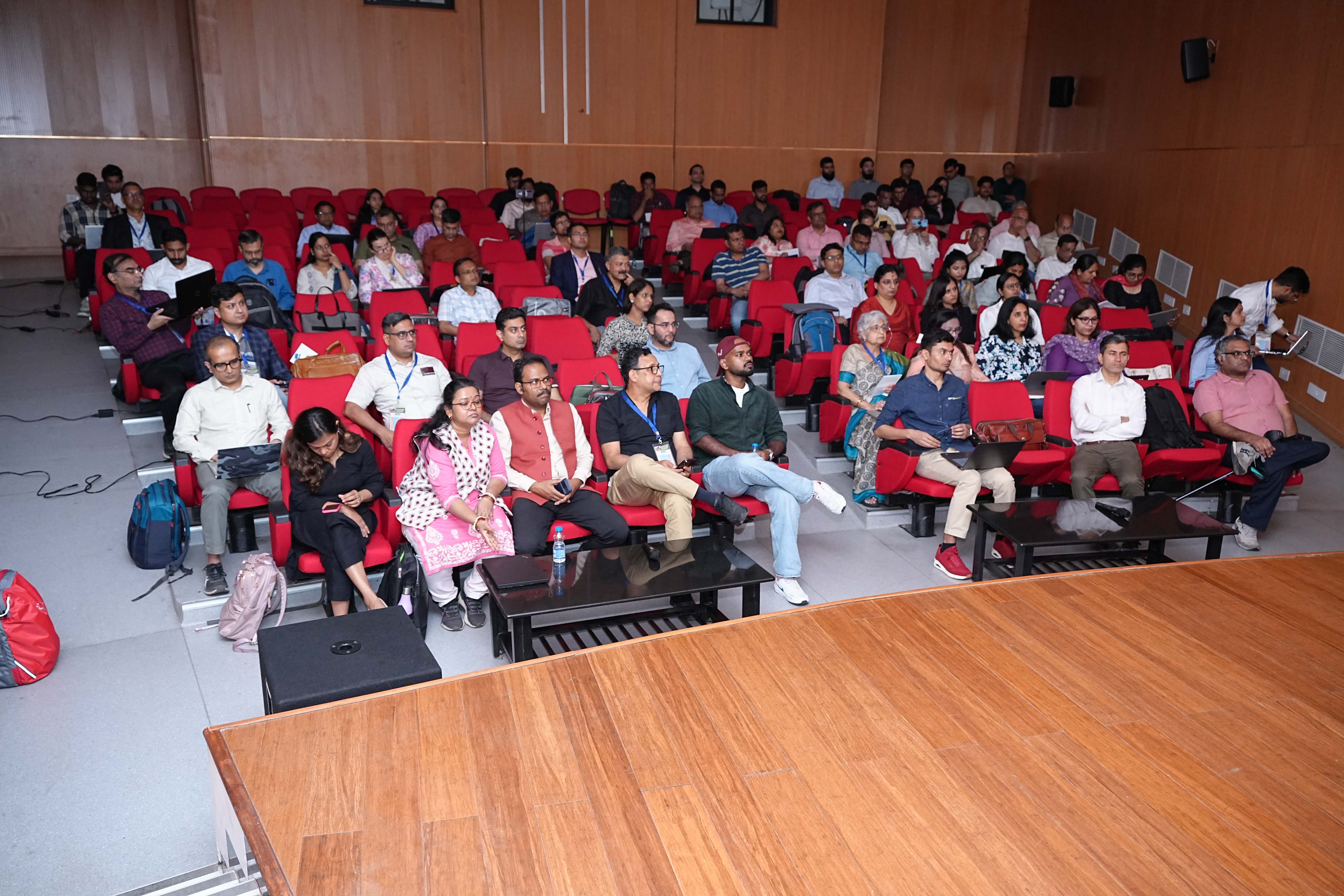
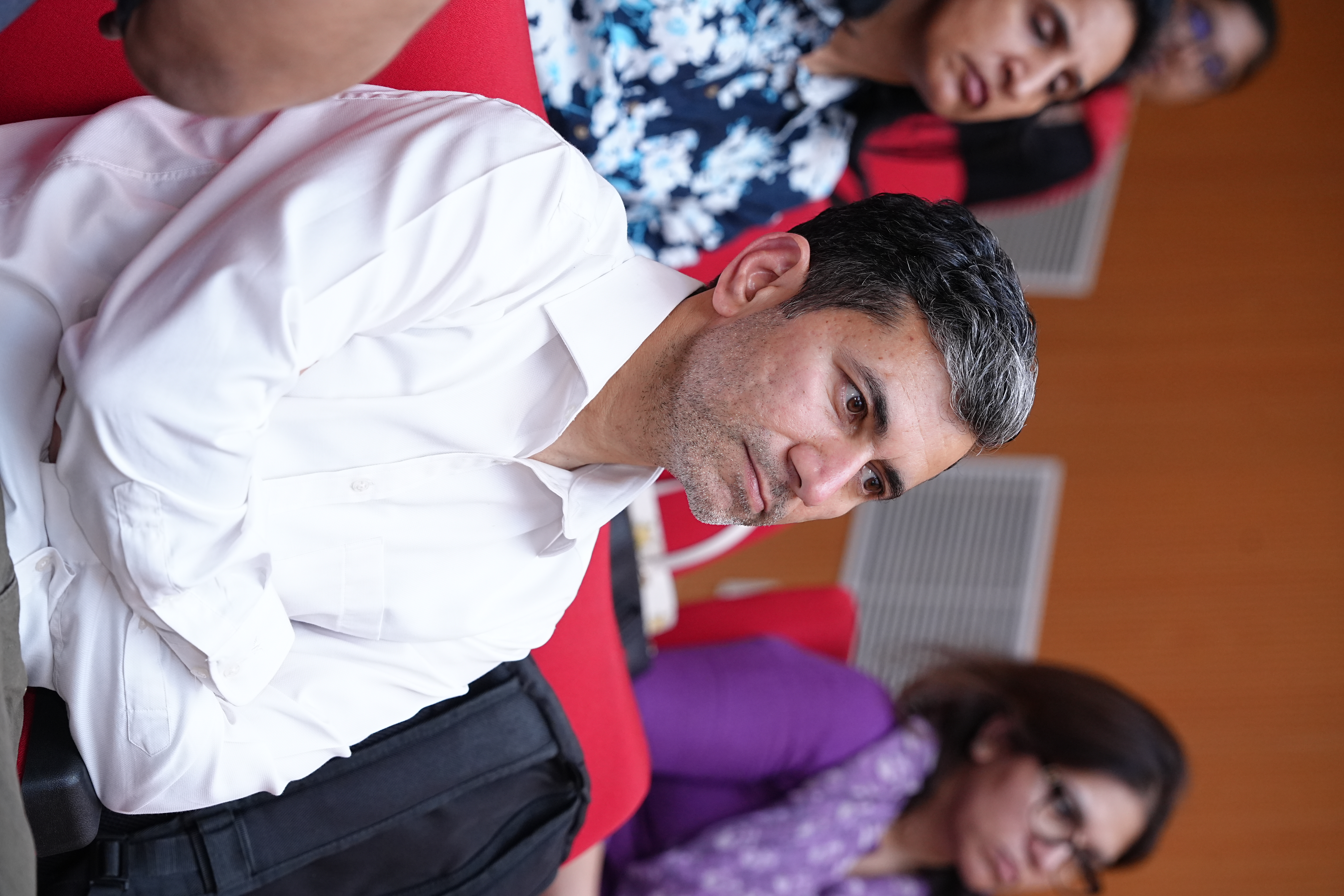
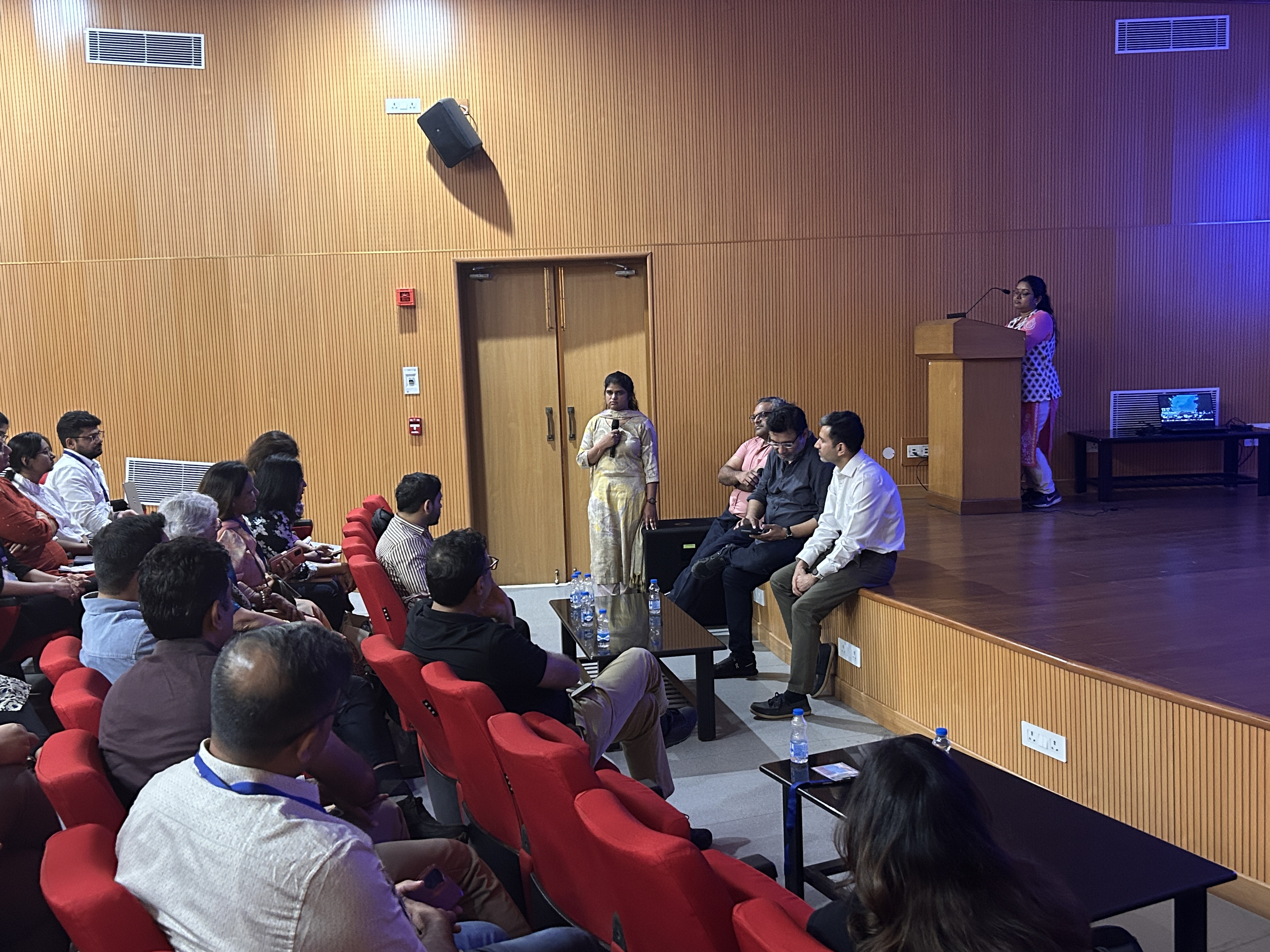
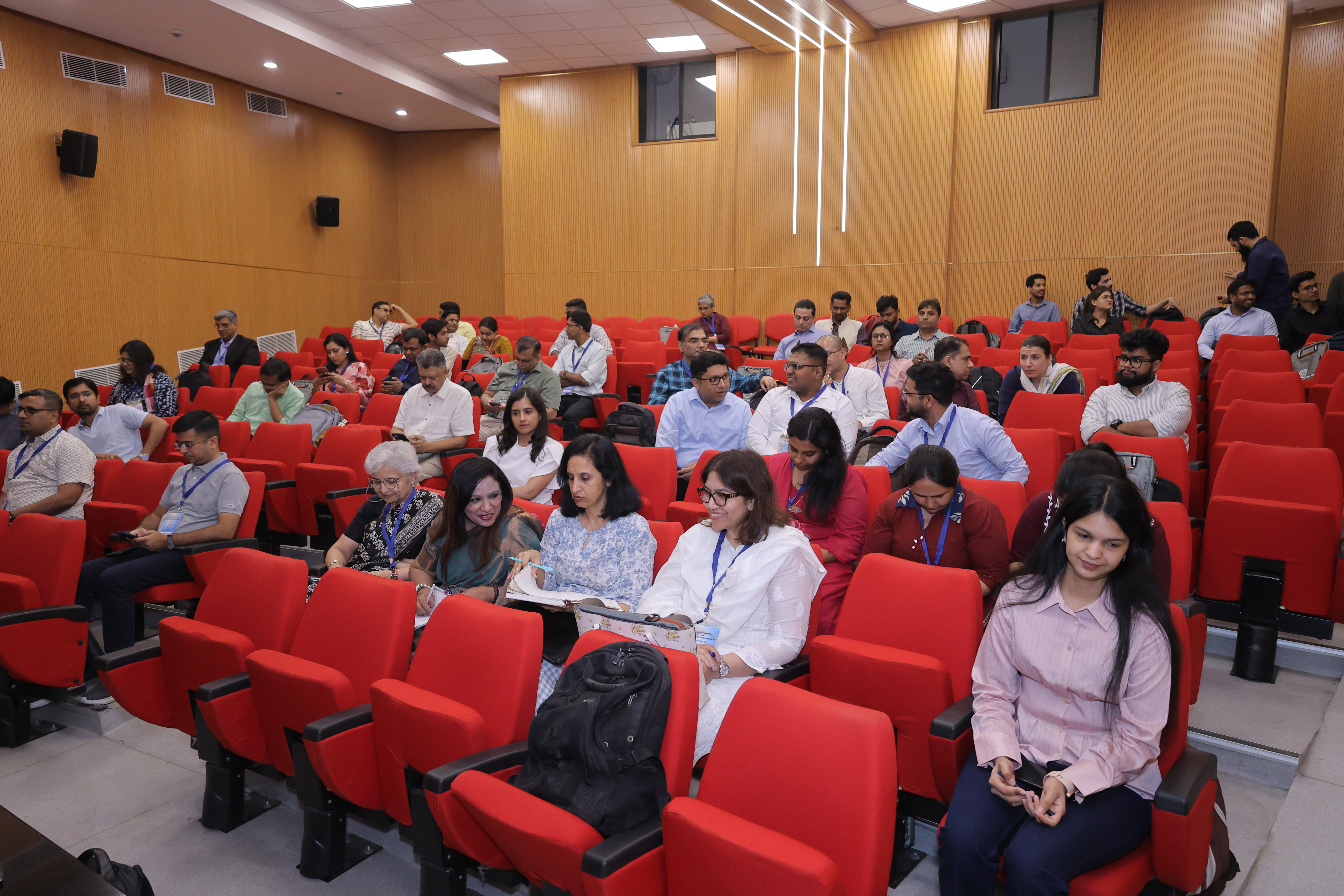
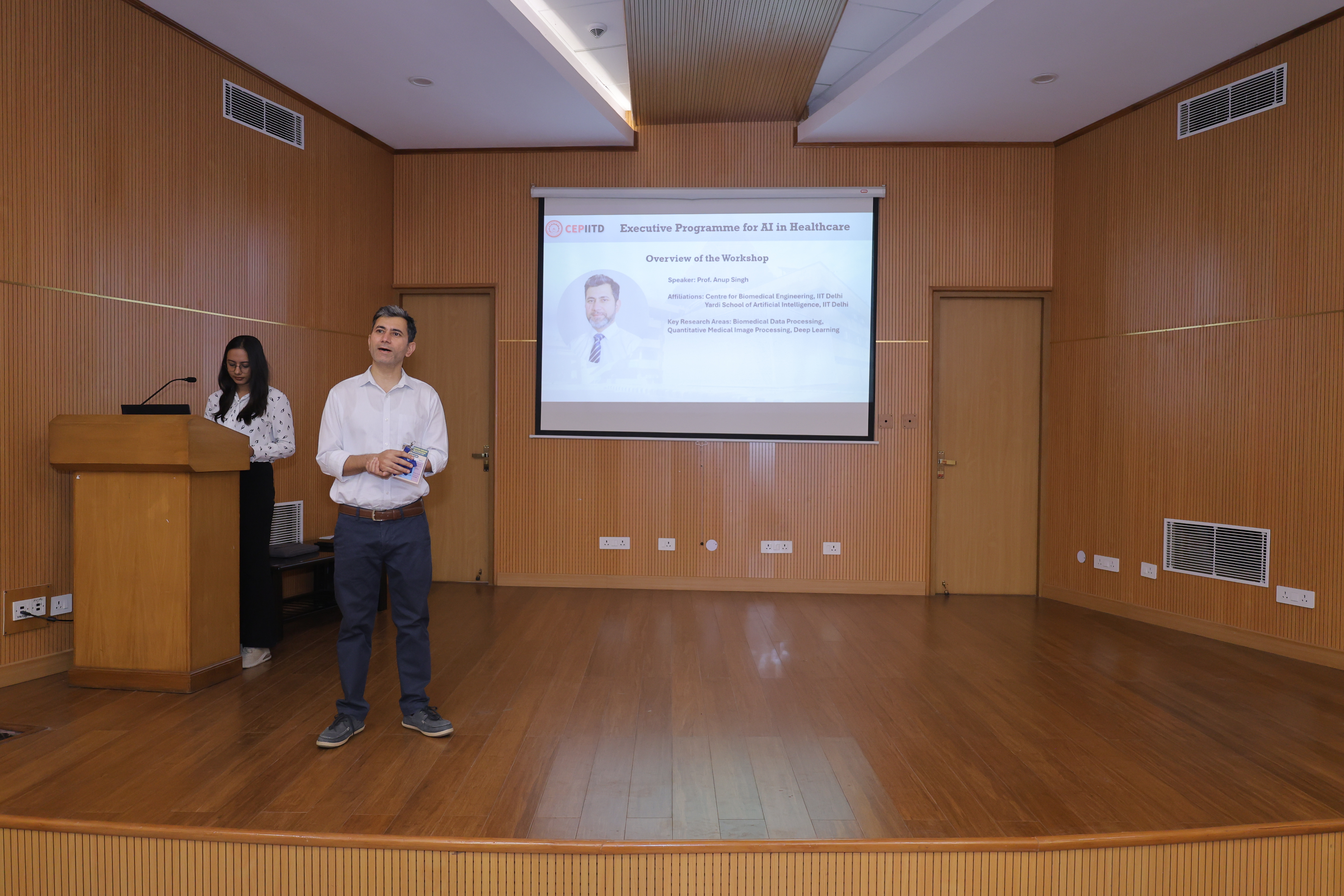
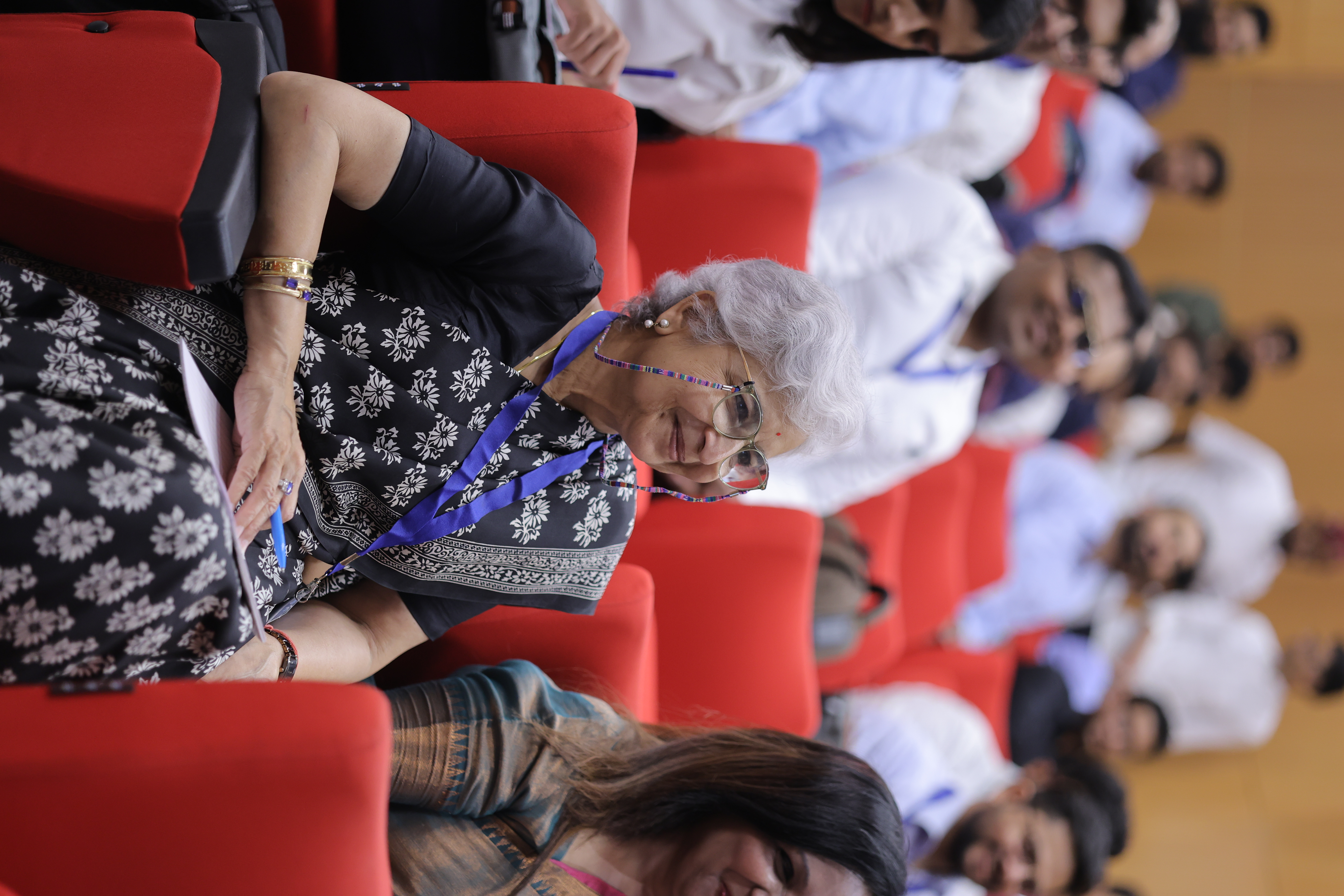
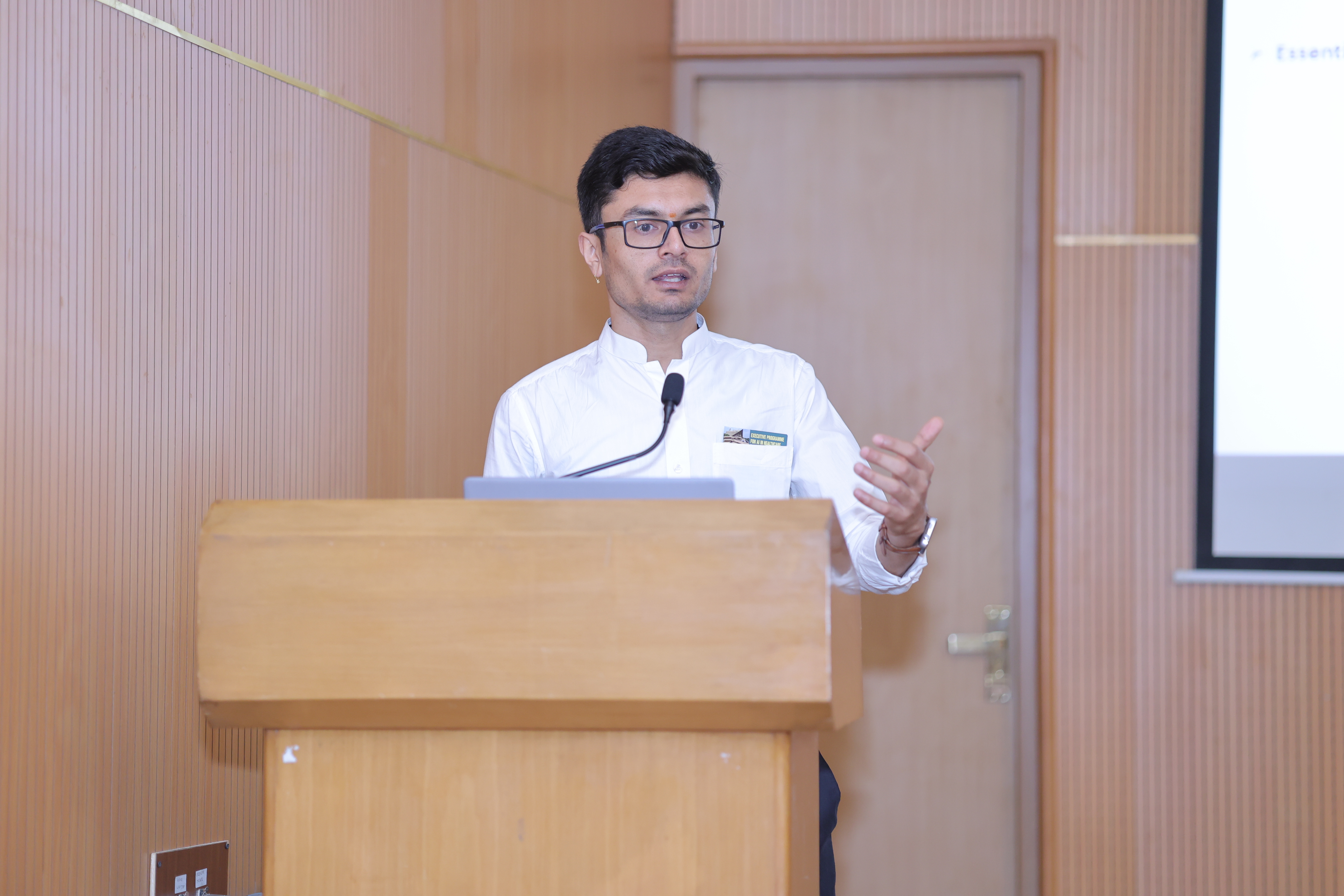
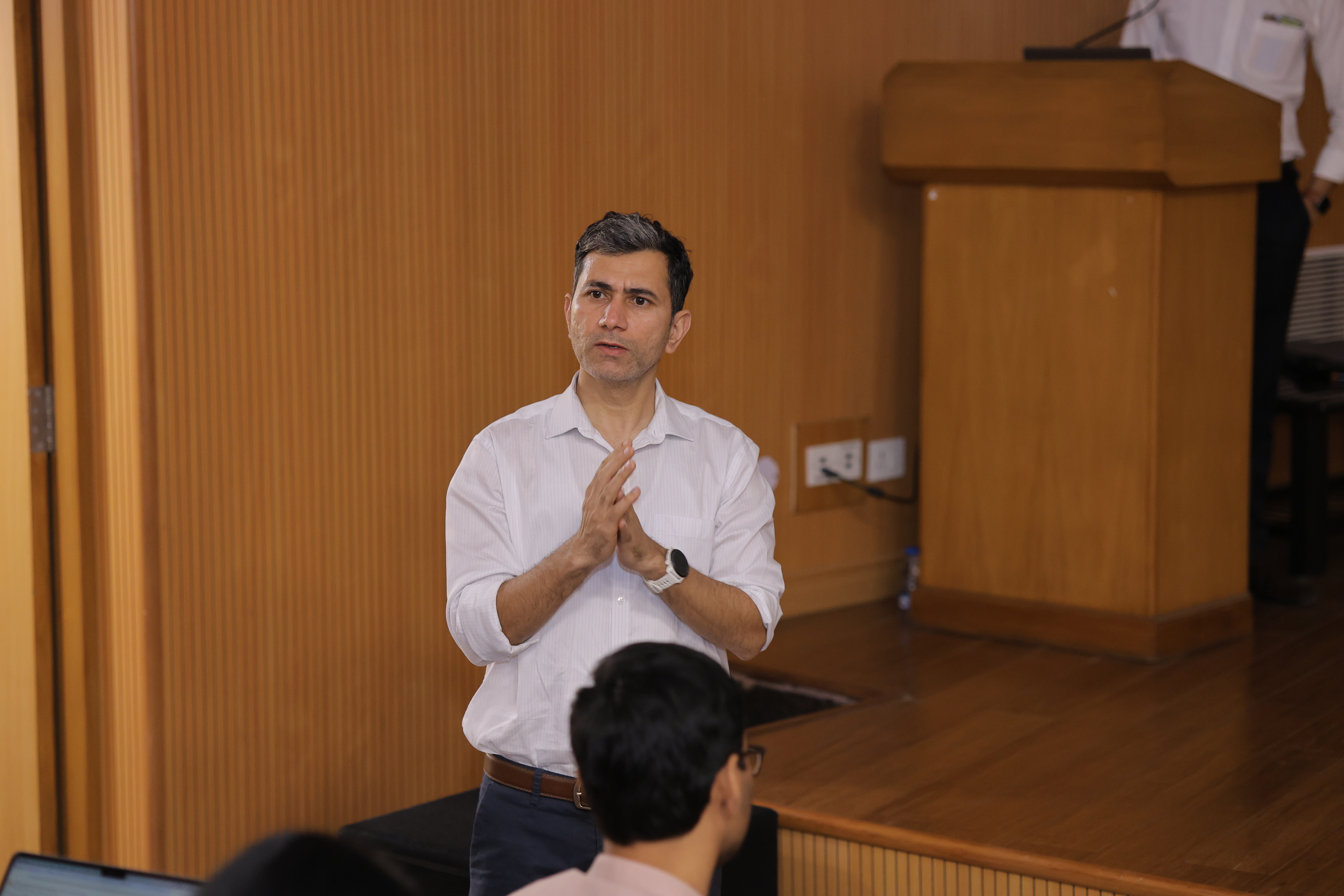
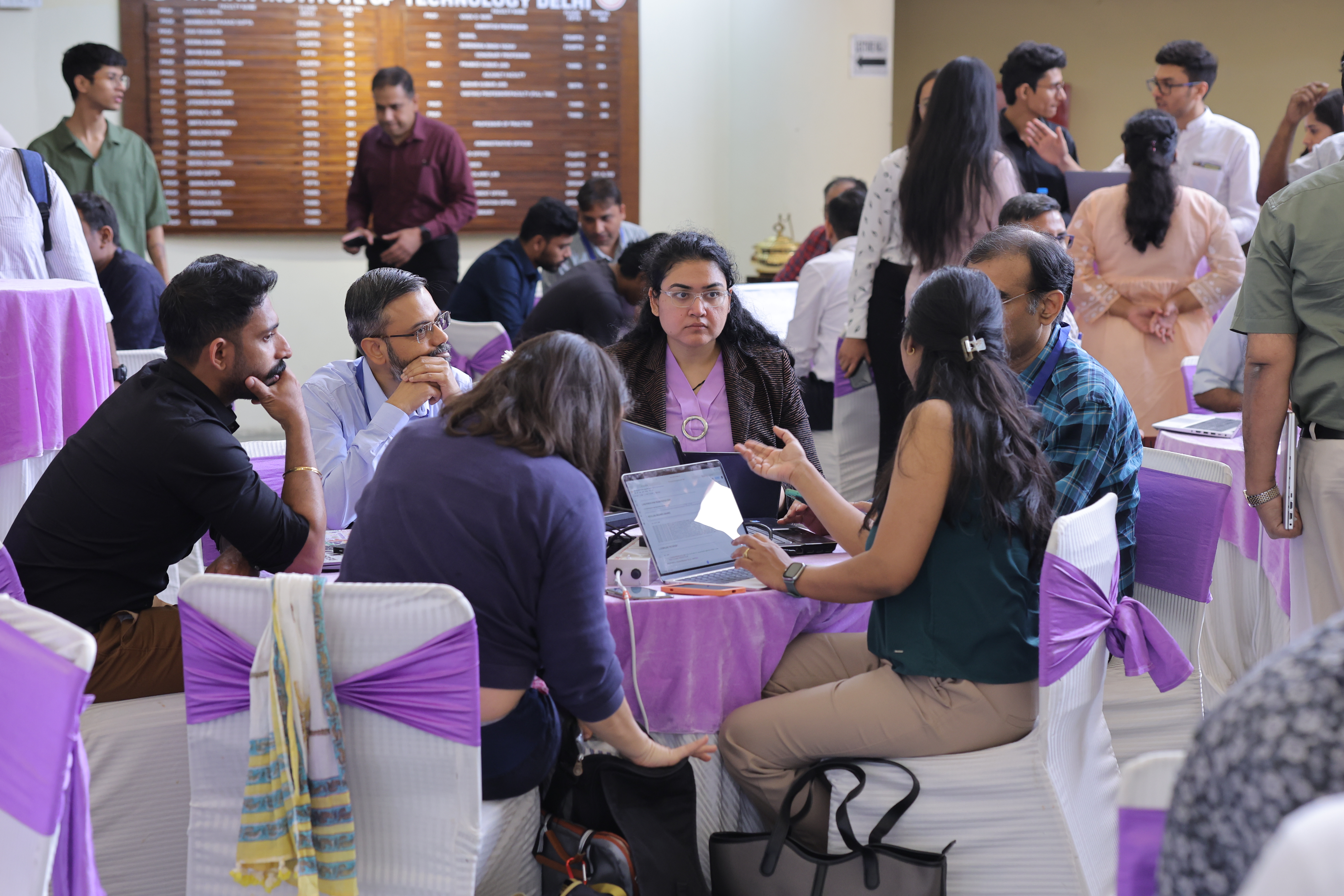
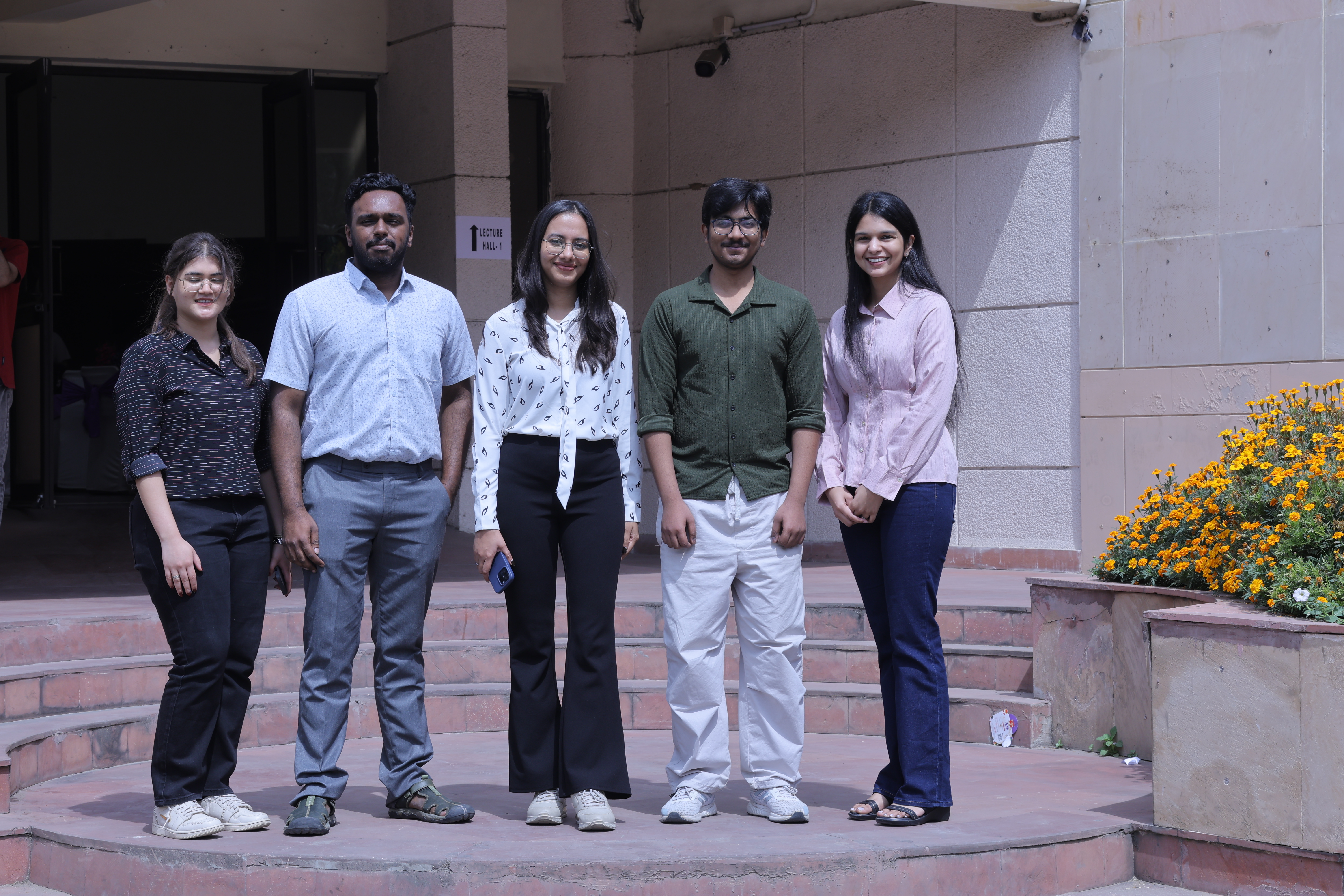
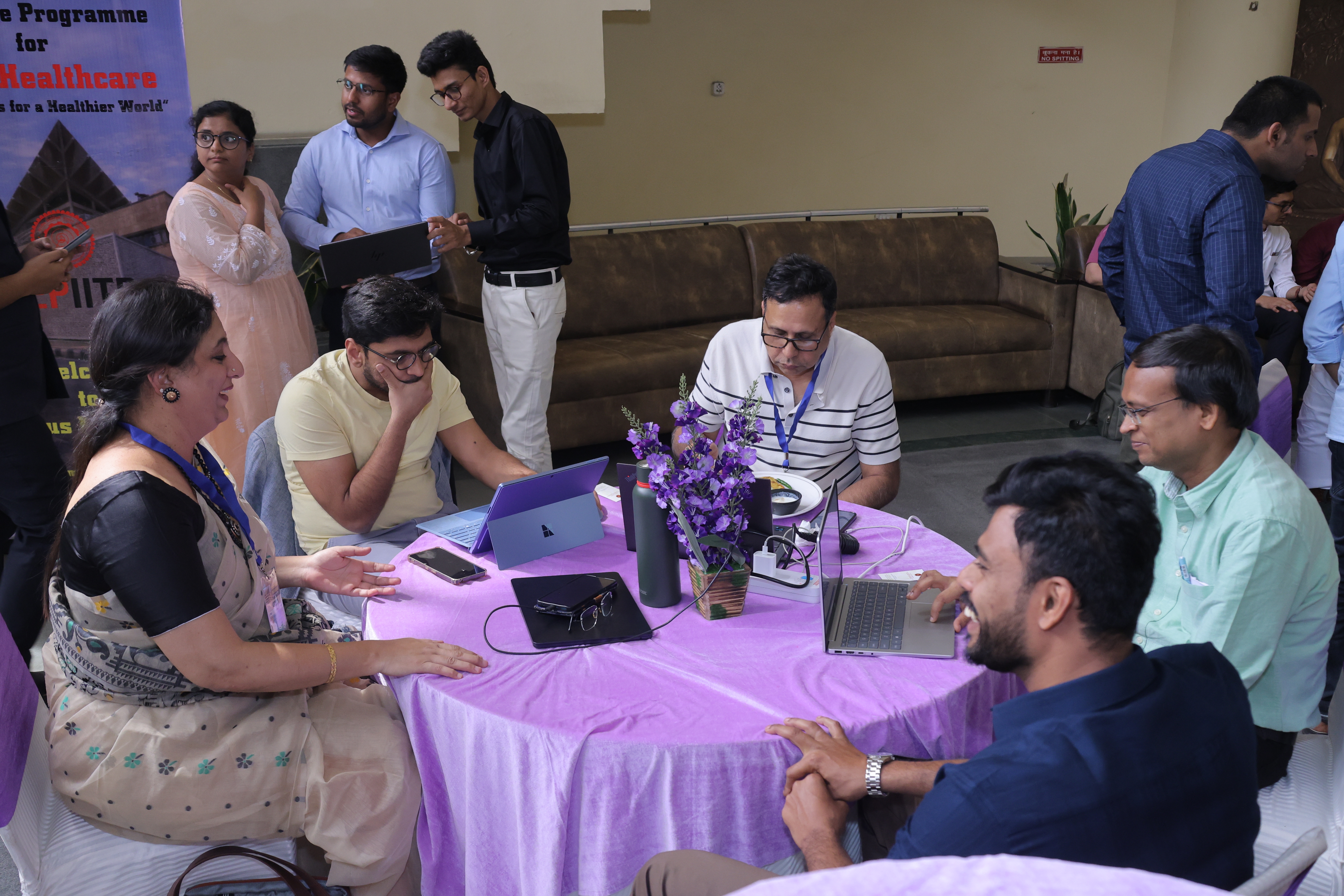
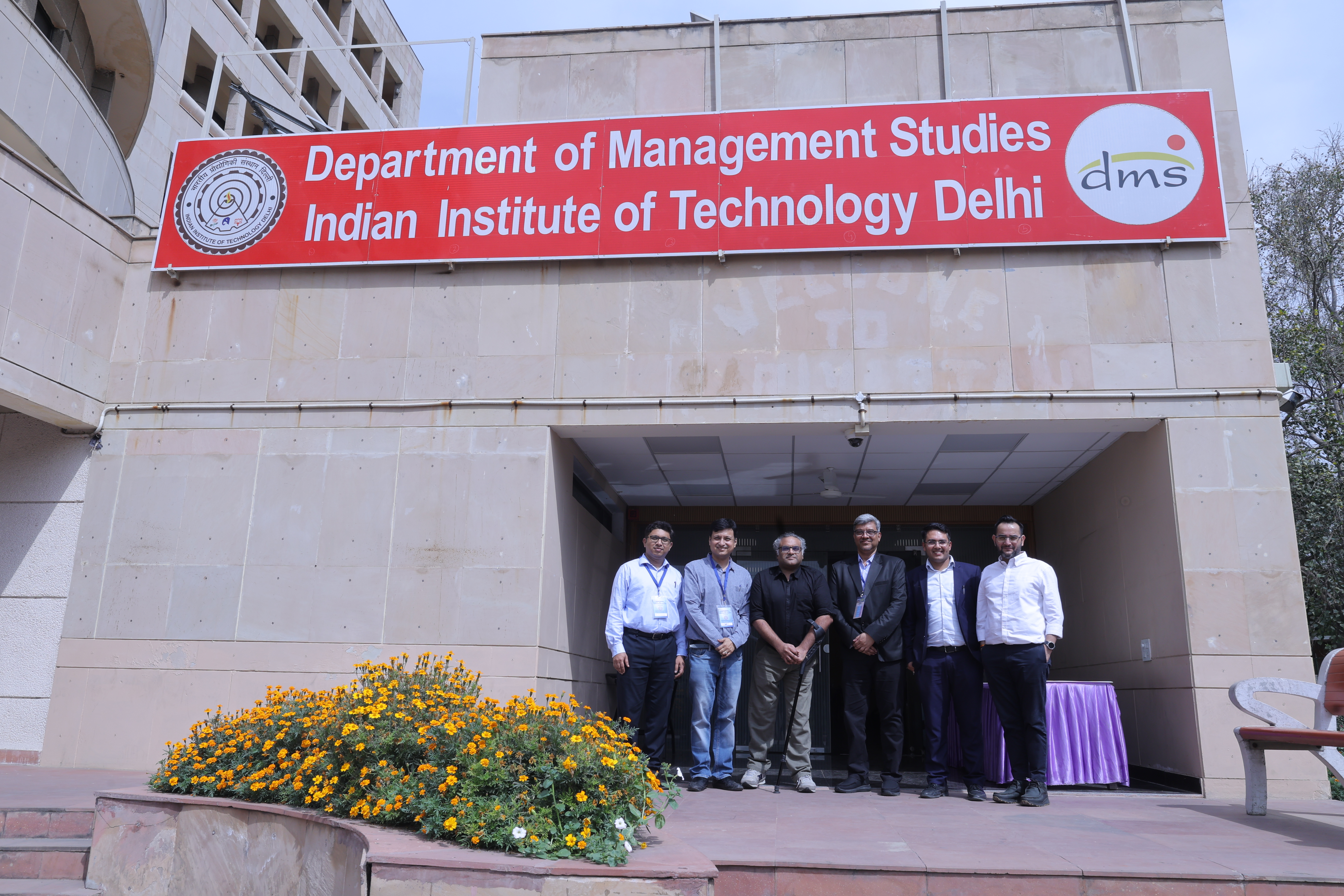
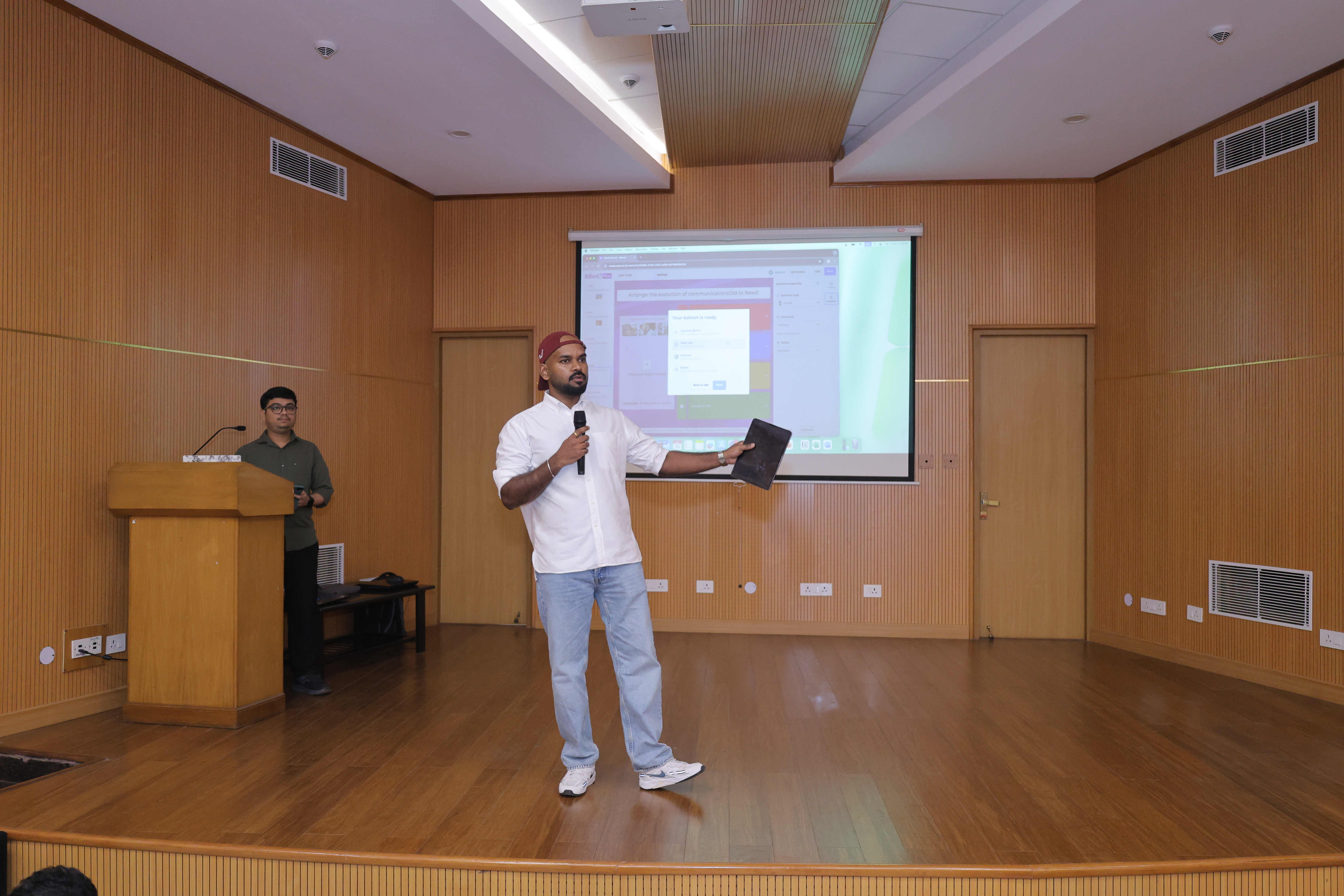
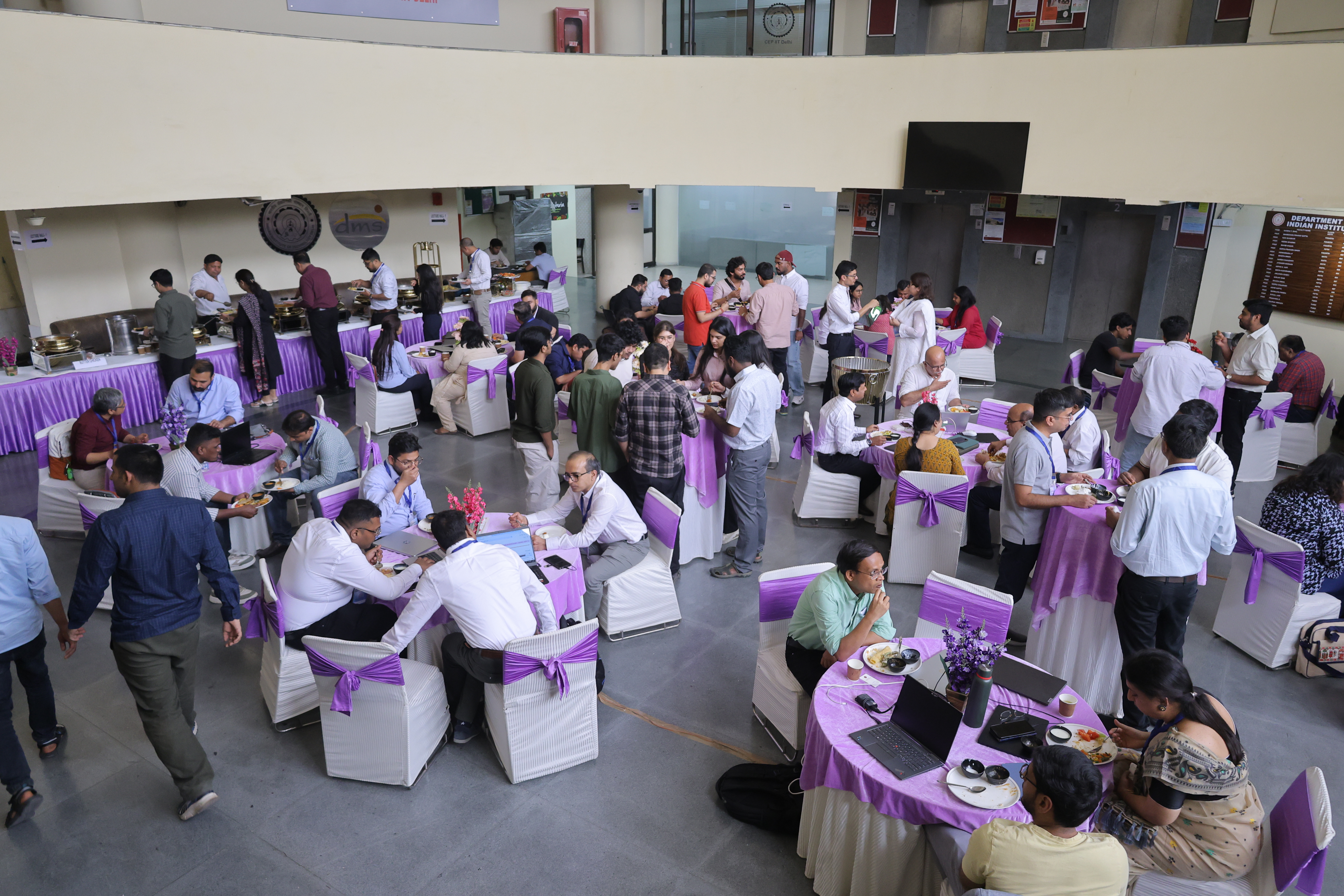
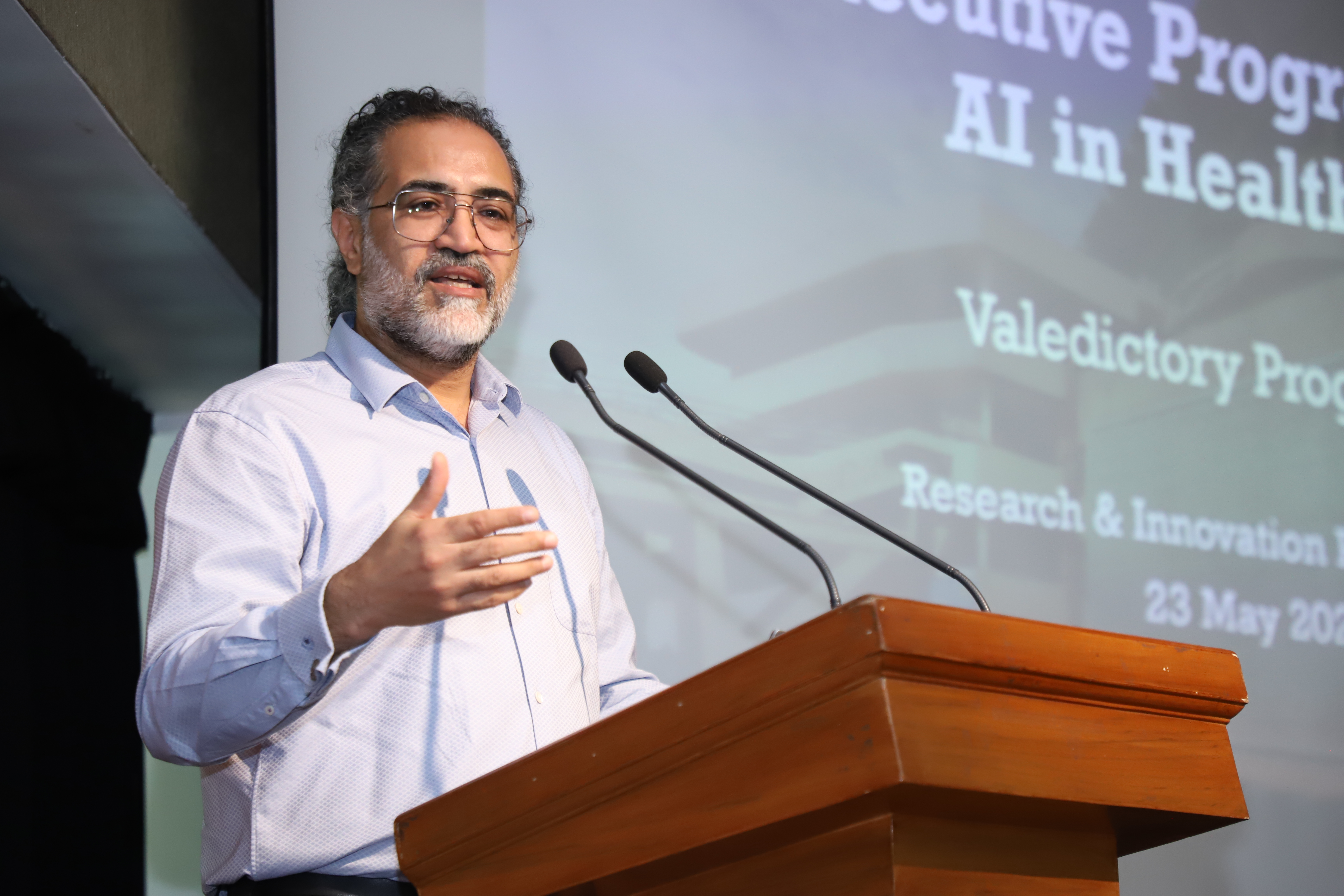
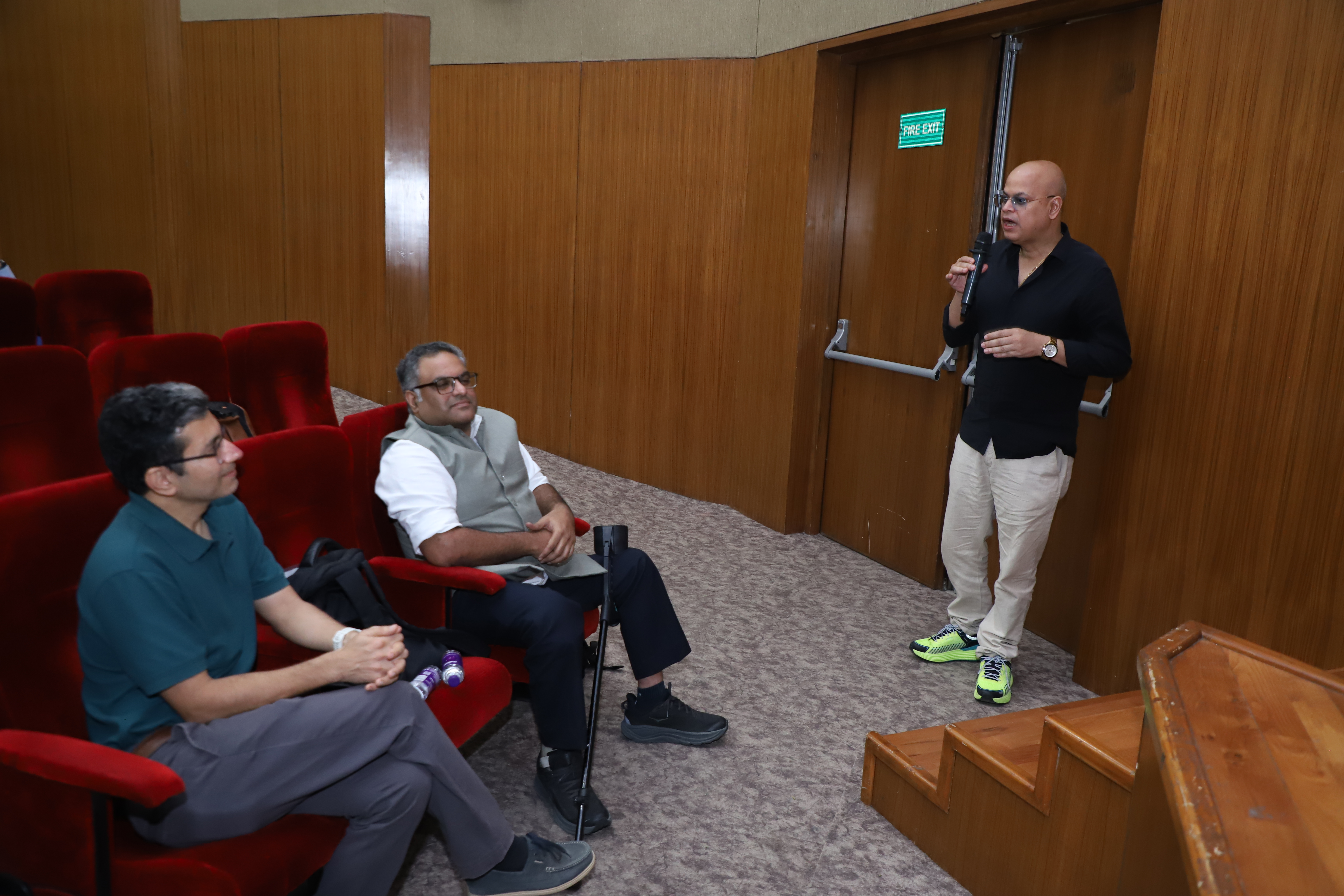
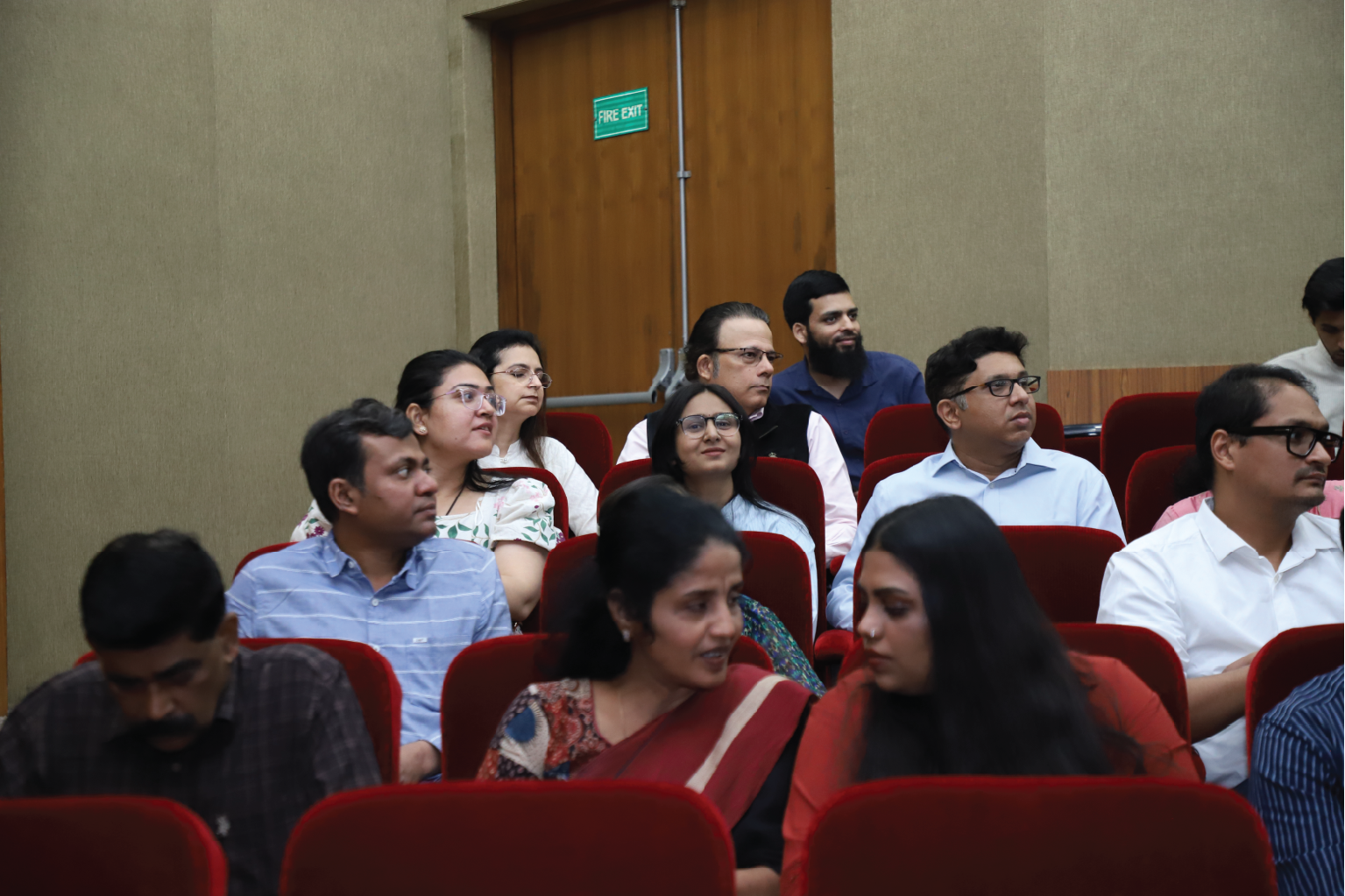
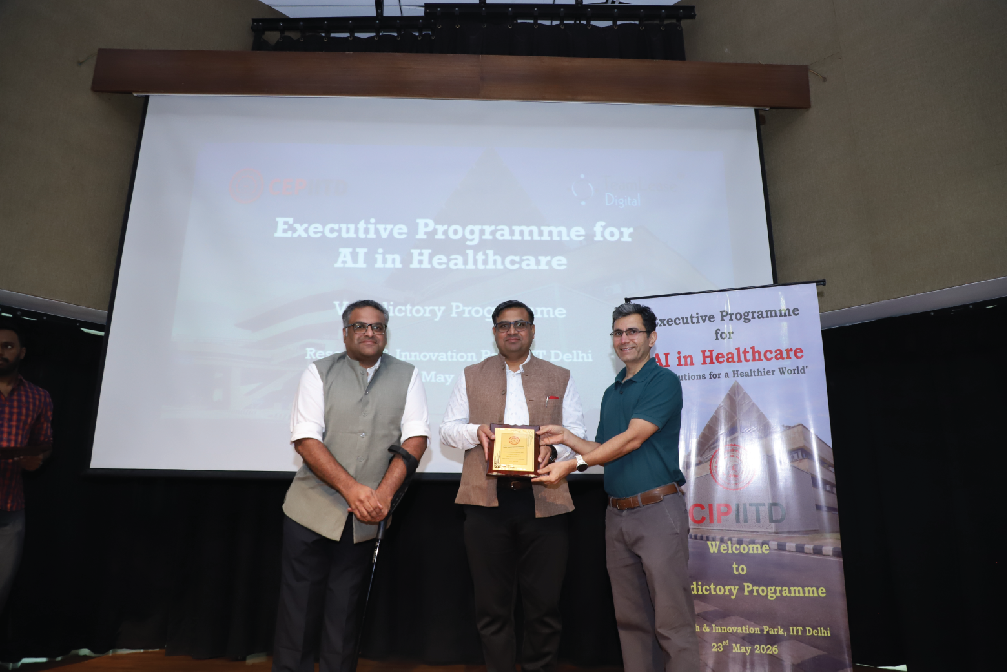
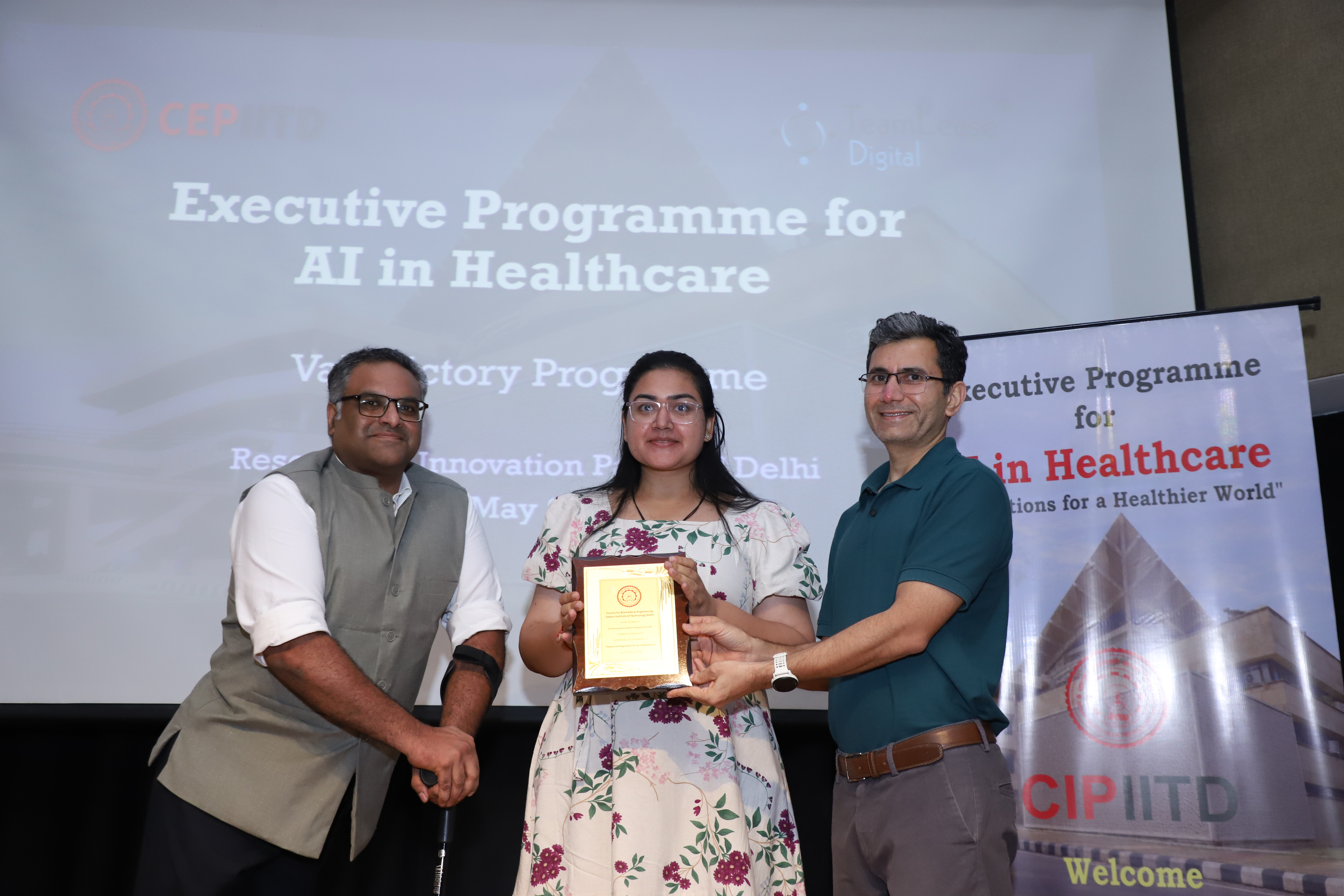
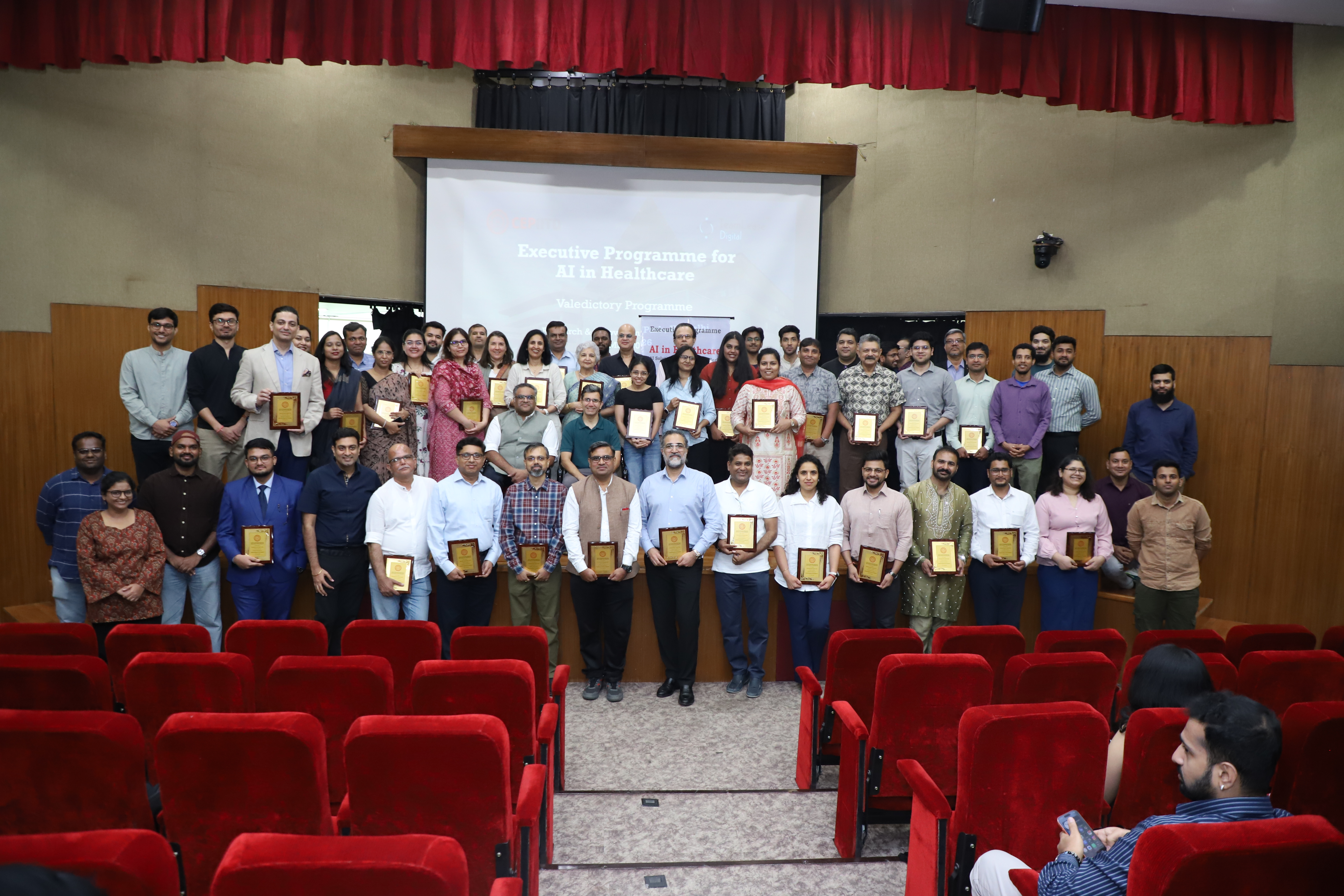
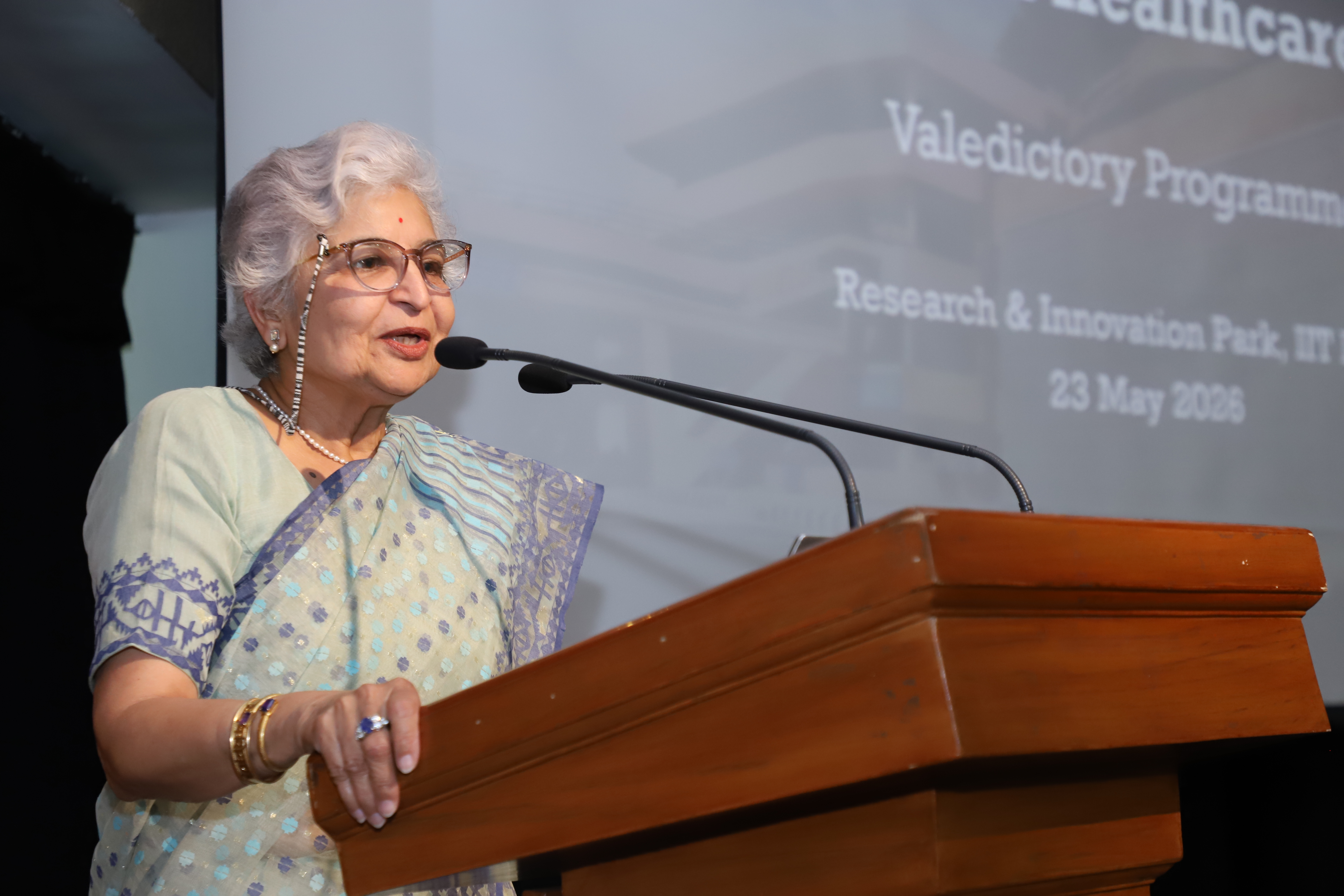
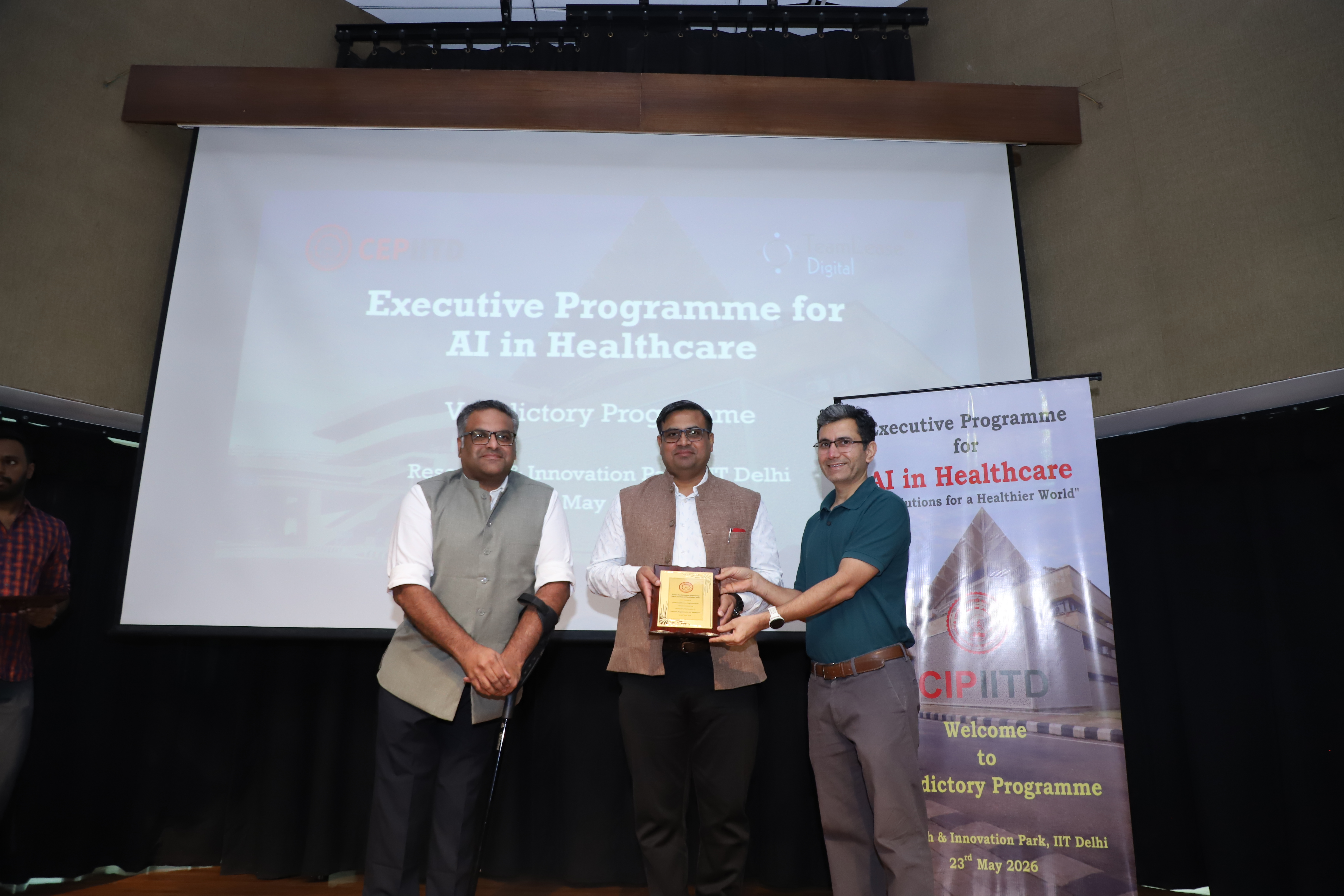
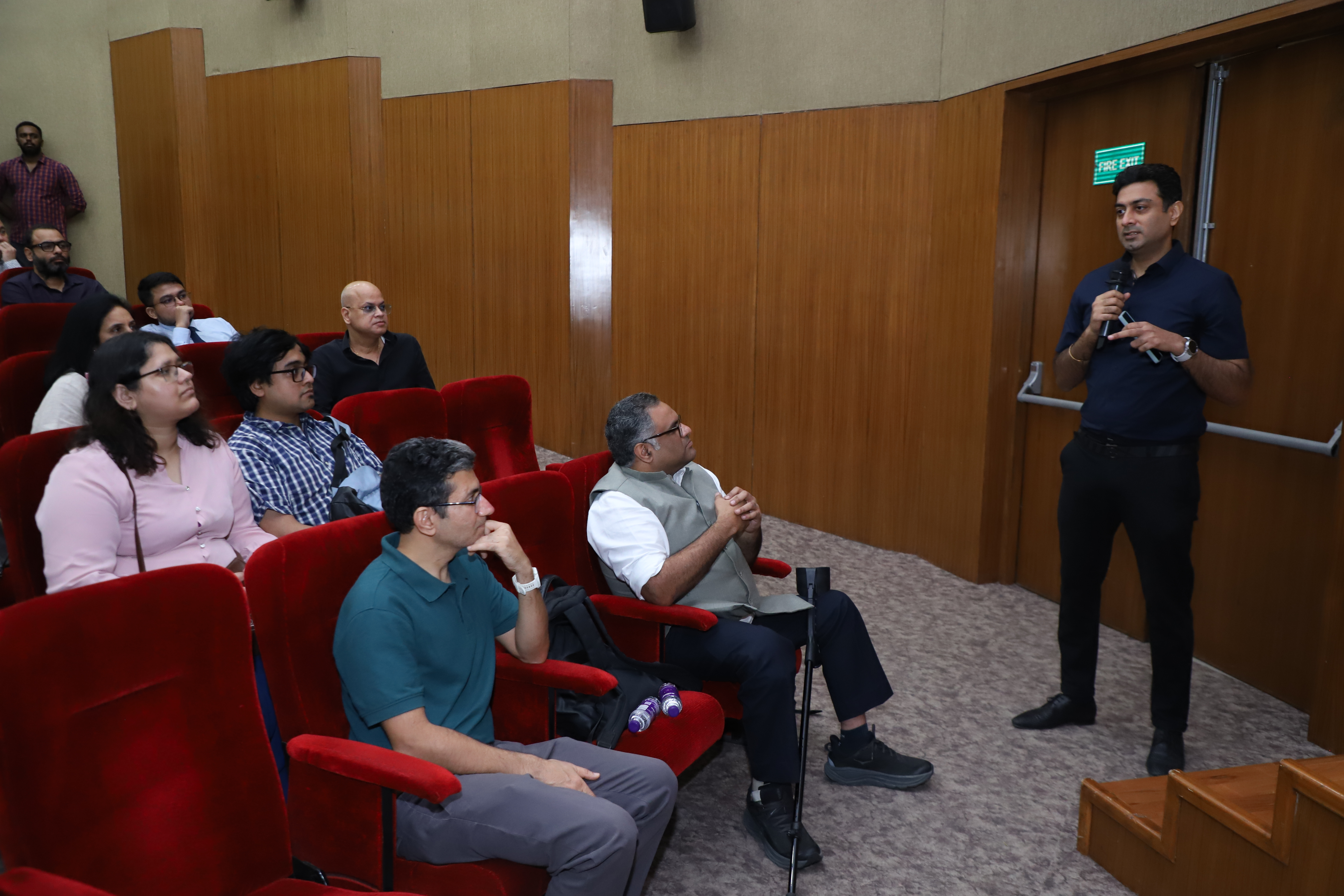
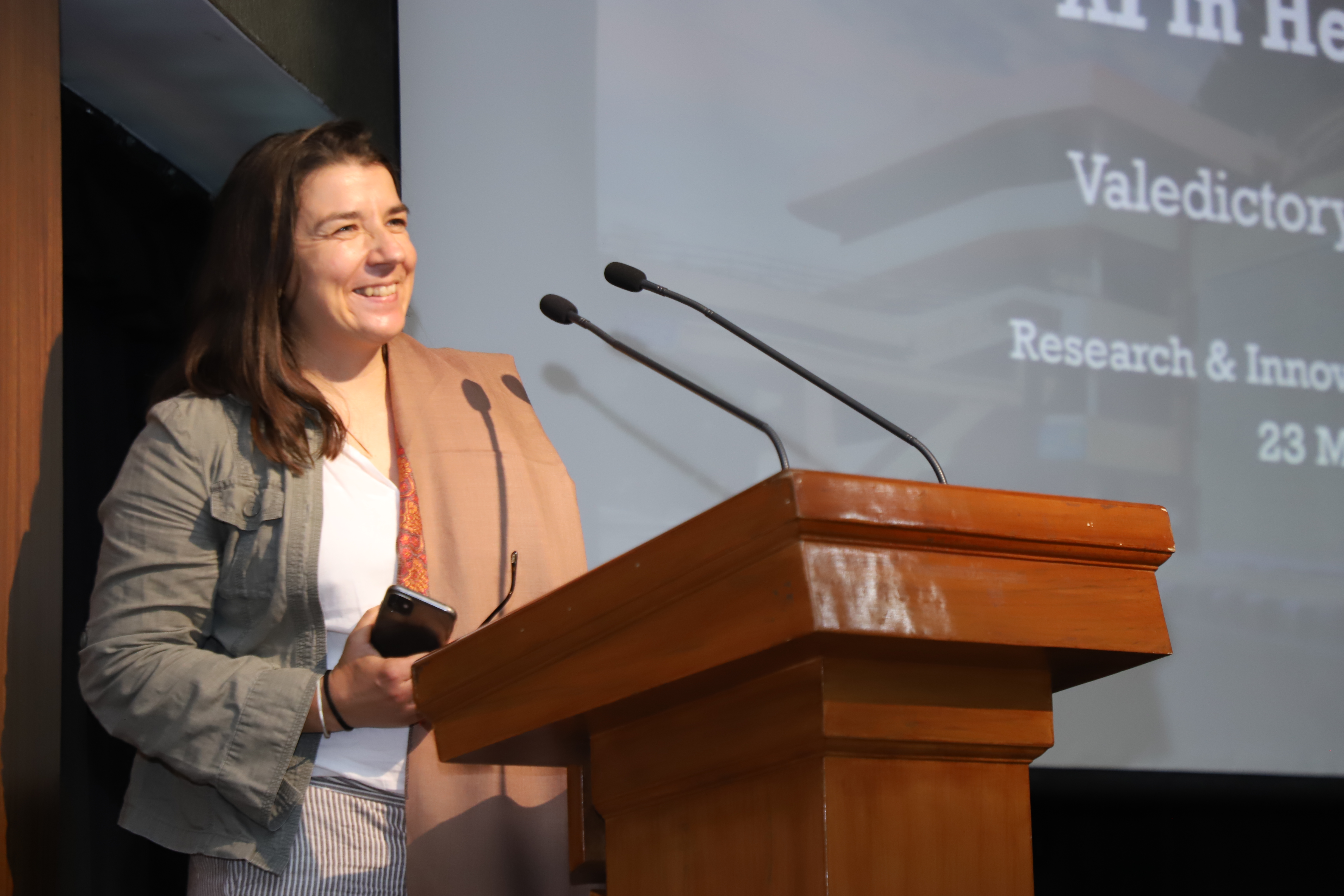
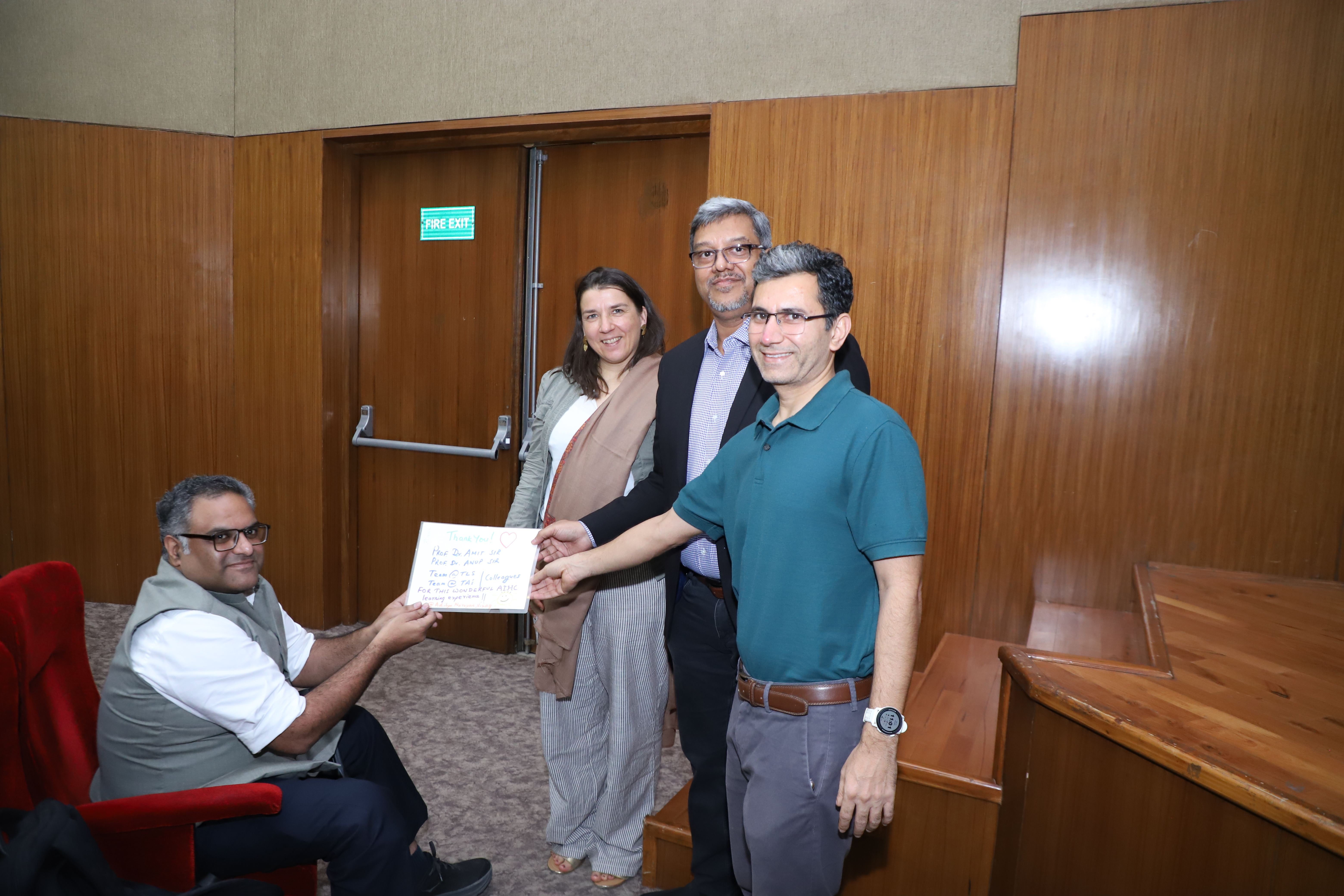
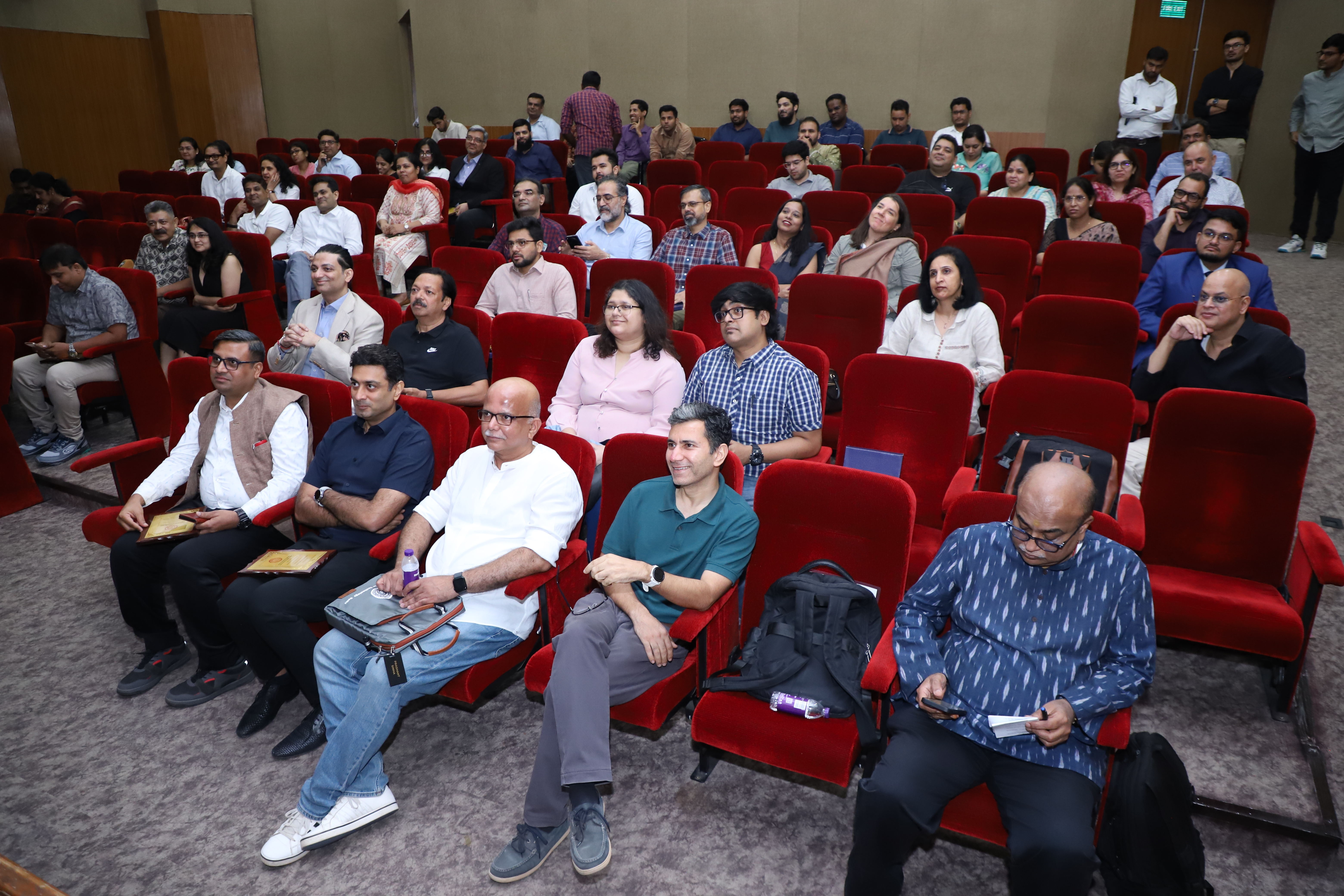
The two-day campus immersion offers a valuable chance to engage face-to-face with IIT Delhi faculty and peers. However, travel, accommodation, and related costs are not included in the programme fee and must be borne by the participants.
Yes. You will connect with a diverse cohort of healthcare, technology, and data science professionals through live sessions, collaborative projects, and the two-day campus immersion - building strong professional relationships in the evolving AI in healthcare space.
Participants who meet the evaluation requirements will be awarded an e-Certificate of Successful Completion from CEP, IIT Delhi. Those who fulfill the minimum attendance but not the evaluation criteria will receive a Certificate of Participation. This certification validates your skills in AI for healthcare and enhances your profile in the growing healthcare AI sector.