
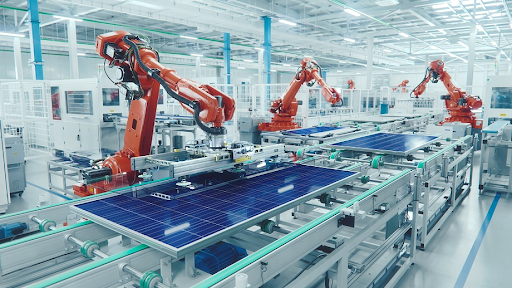
Automation, intelligent machines, and smart manufacturing are redefining how industries design, produce, and operate systems. As this transformation accelerates, engineers are expected to move beyond single-discipline expertise and work across mechanical systems, electronics, control technologies, and software integration. This shift has placed strong emphasis on interdisciplinary postgraduate programmes such as MTech Mechatronics and Robotics, which are increasingly being redesigned to match real industry requirements rather than traditional academic silos.
This blog explores how this specialisation is evolving and why it is becoming a critical pathway for engineers aiming to stay relevant in a rapidly changing industrial landscape.
Why Mechatronics and Robotics Skills Are in High Demand
Industries today are adopting automation at scale to improve efficiency, accuracy, and safety. Manufacturing plants, automotive production lines, logistics hubs, and even healthcare systems rely on robotic systems and intelligent machines. However, many organisations face a shortage of engineers who can design, integrate, and maintain such systems holistically.
The demand is no longer limited to mechanical design or electronics alone. Employers increasingly seek professionals who understand how sensors, actuators, controllers, and software interact within a single system. This industry shift has driven the need for advanced education that reflects practical, system-level engineering.
Understanding Applied Mechatronics and Robotics in Modern Engineering
Applied mechatronics focuses on the integration of mechanical engineering, electronics, control systems, and computing into functional, real-world applications. Unlike conventional programmes that emphasise theory in isolation, an Applied Mechatronics course prioritises implementation, system behaviour, and performance optimisation.
In the context of robotics, this approach enables engineers to design machines that can sense their environment, make decisions, and act with precision. The emphasis is on building, testing, and refining systems that can be deployed in industrial settings, making applied learning central to the curriculum.
How MTech Mechatronics and Robotics Is Evolving with Industry Requirements
To keep pace with industrial advancements, academic institutions are updating programme structures to align with current technologies and engineering practices. Modern curricula now incorporate topics such as robotics control systems, embedded systems, industrial automation, and advanced sensing technologies.
Students are trained to work with programmable controllers, robotic manipulators, and integrated automation platforms. Exposure to system modelling and simulation helps learners understand how complex systems behave under real operating conditions. This evolution ensures that graduates are not only knowledgeable but also capable of adapting to emerging tools and technologies.
Industry-Aligned Learning Through Practical Exposure
One of the defining changes in this specialisation is the emphasis on hands-on and project-based learning. Instead of focusing solely on examinations, programmes now encourage students to solve engineering problems that mirror industrial challenges.
Through simulations, design projects, and system integration exercises, learners develop the ability to troubleshoot, optimise, and improve automated systems. This approach strengthens problem-solving skills and prepares engineers to contribute effectively in multidisciplinary teams, which is essential in modern engineering environments.
Career Pathways Enabled by Robotics Engineering MTech
Graduates of this specialisation are equipped to take on roles that require both depth and versatility. Common career paths include robotics engineer, automation engineer, mechatronics design engineer, and systems integration specialist. These roles exist across manufacturing, automotive engineering, industrial automation, robotics development, and smart infrastructure sectors.
A Robotics engineering MTech enables professionals to work at the intersection of design and application, supporting organisations in implementing advanced technologies that improve productivity and operational reliability.
The Role of Online and Hybrid Learning in Advanced Engineering Education
As industries evolve rapidly, many engineers seek to upgrade their skills without stepping away from professional responsibilities. Technology-enabled education has made this possible through structured programmes designed for working professionals. An Online MTech in Robotics allows learners to engage with advanced coursework, simulations, and guided projects while continuing their careers.
Such formats are particularly valuable for engineers who want to apply new concepts directly in their workplace, reinforcing learning through immediate practical application.
Is MTech in Applied Mechatronics and Robotics the Right Choice for You?
This specialisation is best suited for engineers who enjoy system-level thinking, problem-solving, and working across multiple disciplines. Those with a background in mechanical, electrical, electronics, or instrumentation engineering often find this programme a natural progression.
By focusing on industry-aligned skills and applied learning, the programme supports long-term career adaptability and prepares professionals for roles that will remain relevant as automation and robotics continue to expand.